Satin is the one lanyard material chosen purely for how it looks. A standard lanyard ribbon is ribbed and matte; satin is smooth and catches the light, which is why it turns up on VIP passes, award ceremonies and corporate activations rather than on general event stock.
The material comes with one constraint that shapes everything else: satin is fine and slightly translucent, so it is printed on one side only. What changes between the two versions below is how that one side is printed.
Two ways to print satin
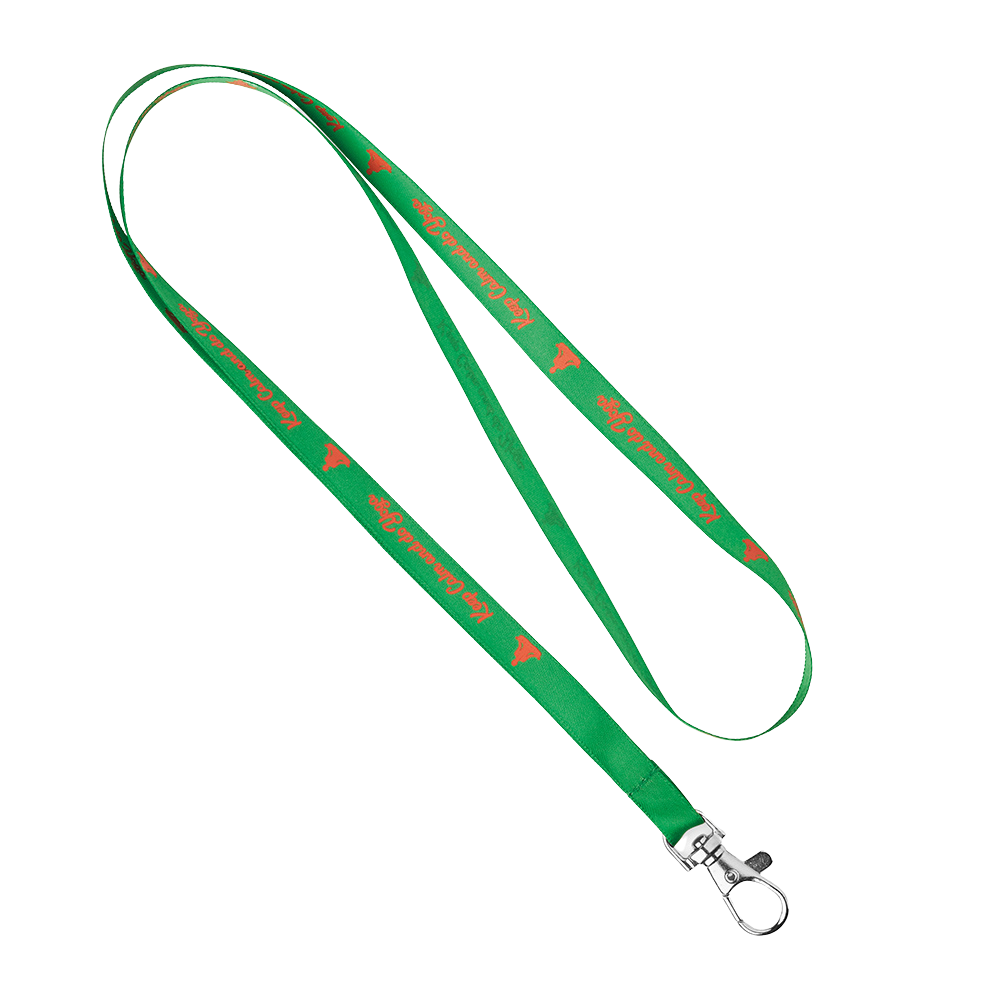
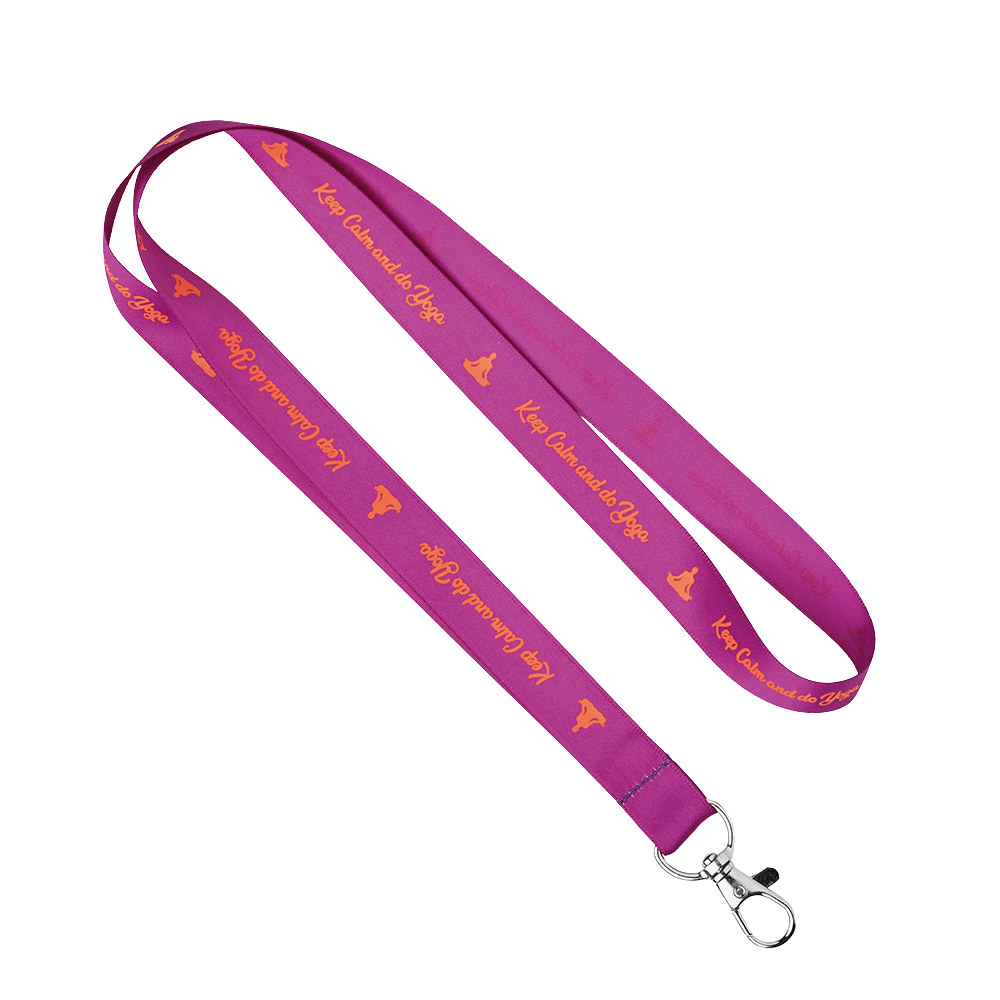
Screen print
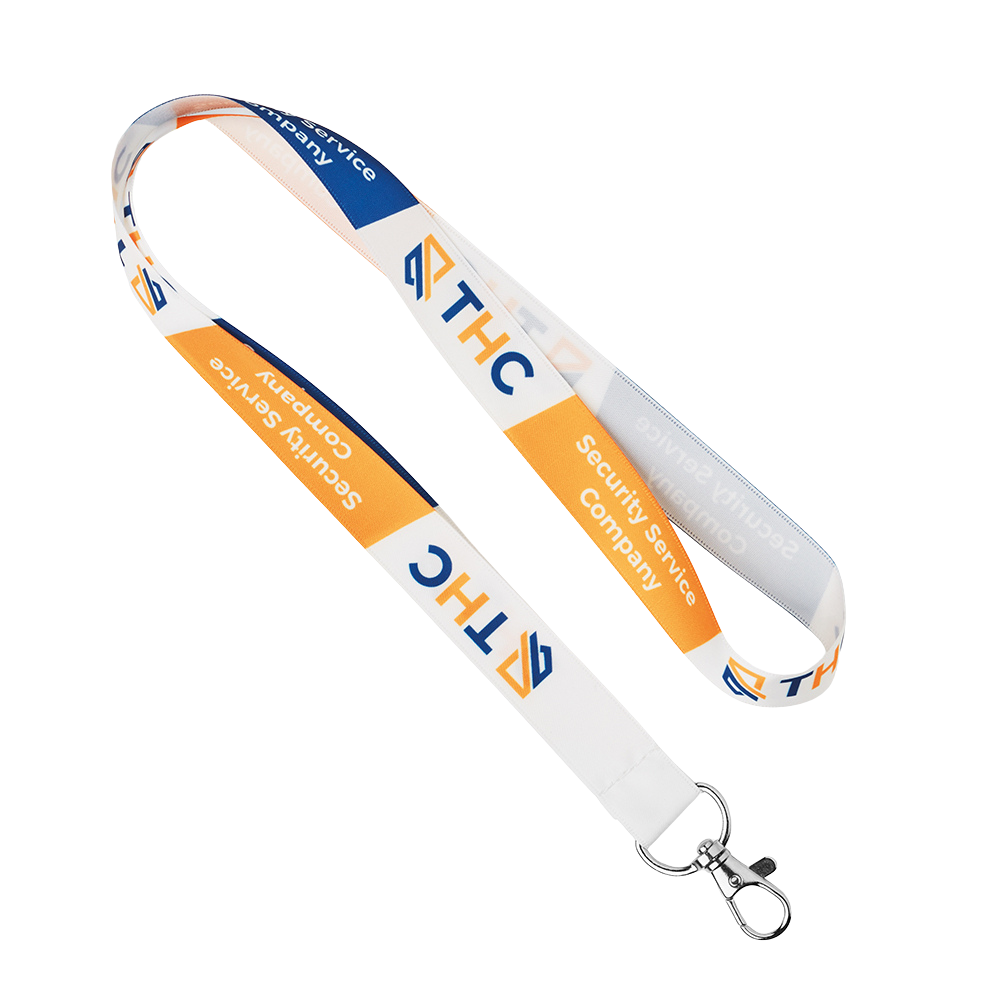
Dye sublimation
Where the colour sits
Ink on top of the satin
Dyed into the fibre
Colour accuracy
Pantone matched
Full colour, photographic, close but not chip-exact
Artwork
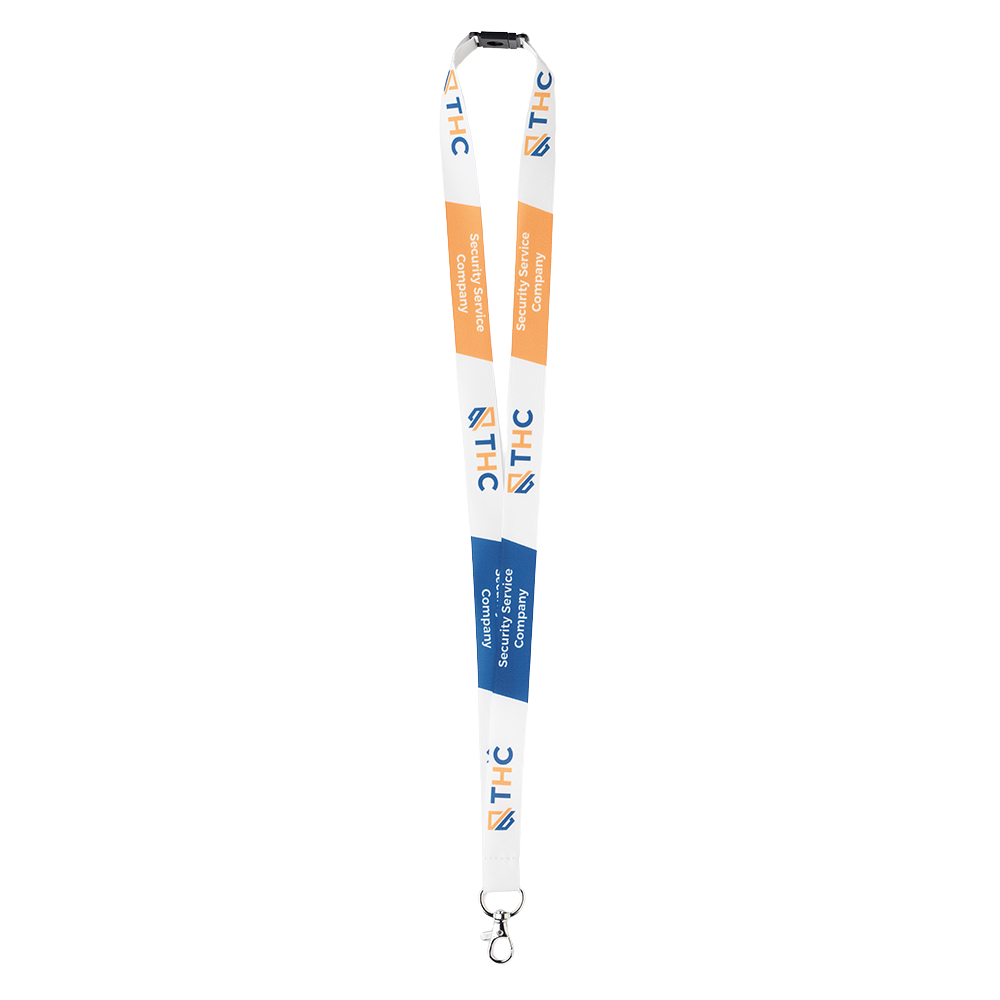
Wordmarks, one to three solid colours
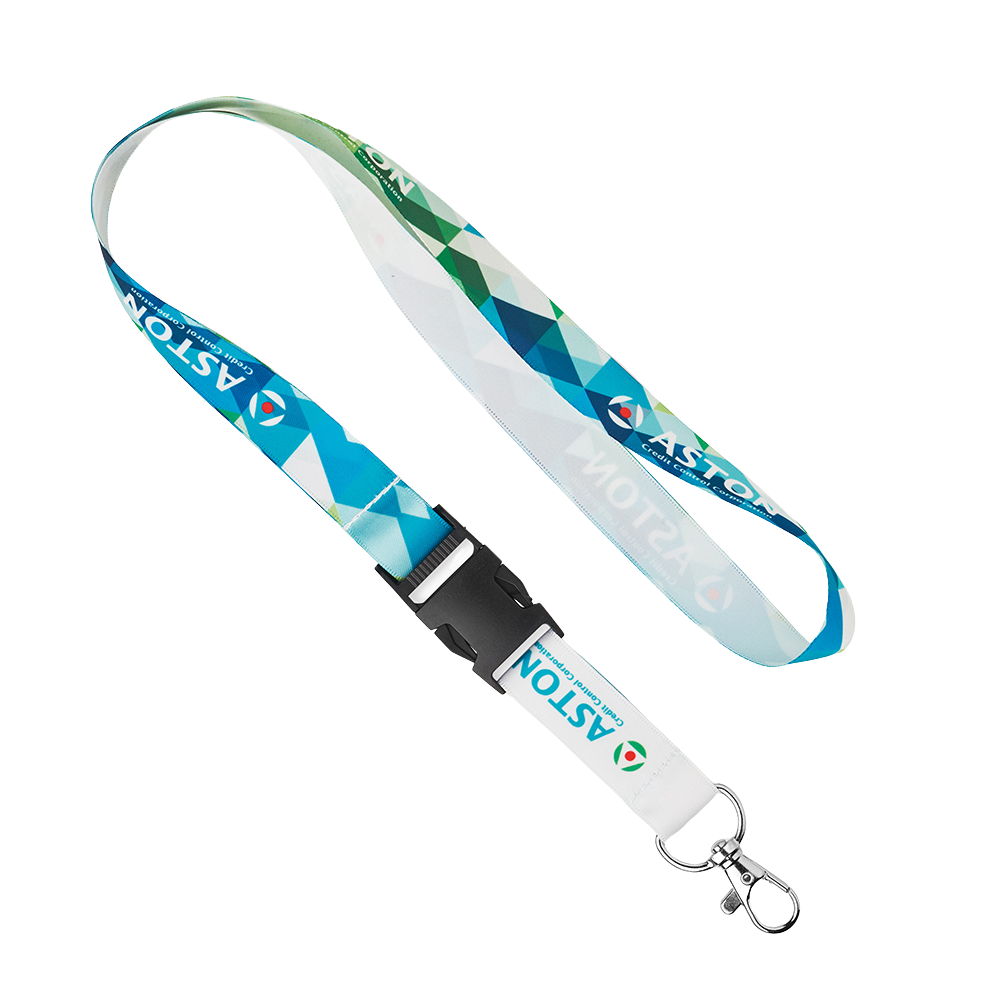
Gradients, images, unlimited colours
Base ribbon
Coloured satin
White satin
Durability
Good; a surface layer that eventually shows wear
Cannot crack, peel or fade out
Right for
A clean logo where brand colours are policed
Event artwork, sponsors, photographic designs
The one-sided rule
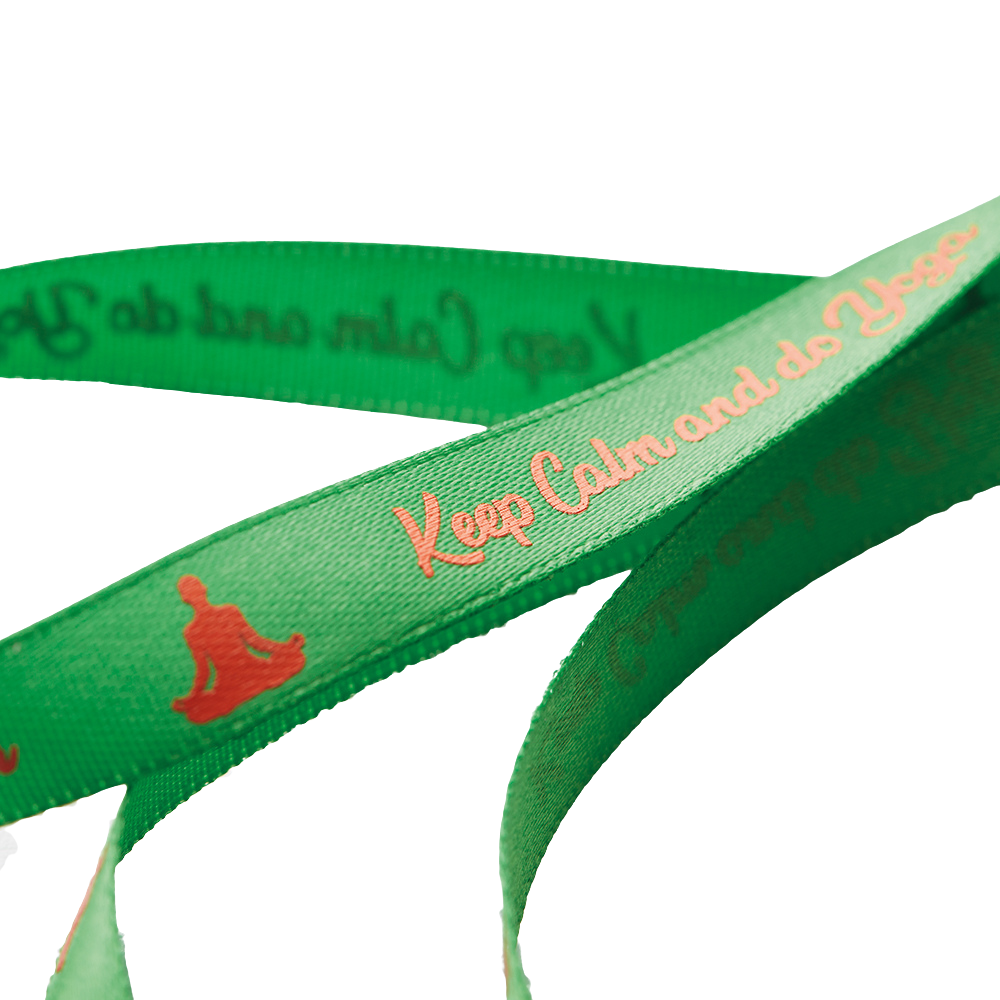
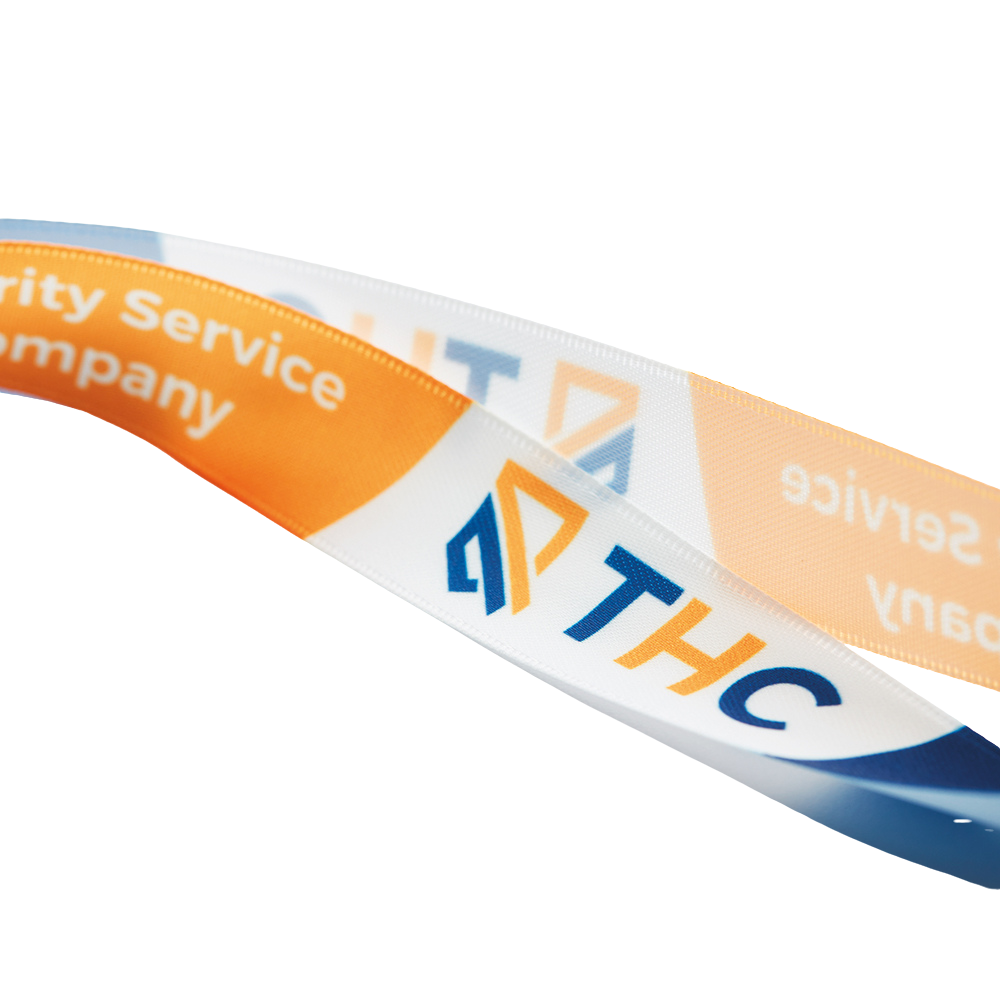
Both methods print one side. The ribbon is thin enough that printing both faces would let each show through the other, and on screen-printed satin the design is often faintly visible on the reverse — normal for the material, not a fault. If the brief genuinely needs different artwork front and back, use a woven or standard polyester lanyard instead.
Specifications
Material: fine satin ribbon, approximately 90 cm
Print: single-sided Pantone matched screen print, or single-sided full colour dye sublimation
Base: coloured satin for screen print, white satin for sublimation
Fittings: metal hook as standard; safety breakaway available
Minimum order: from 100 pieces
Lead time: about 2-3 weeks from approved artwork
Common questions
Screen print or sublimation on satin?
Screen print lays Pantone-matched ink on top of the satin, so brand colours are exact and the contrast against the sheen is sharp — the right choice for a wordmark or a two-colour logo. Sublimation dyes the artwork into the fibre, which allows photographs, gradients and unlimited colours, and cannot crack or peel. Satin is fine and slightly translucent, so both methods are single-sided.
Why is satin only printed on one side?
Because the ribbon is thin enough that ink or dye applied to both faces would show through and muddy each other. On screen-printed satin the design is often faintly visible on the reverse, which is normal for the material rather than a defect. If you need genuinely different artwork on each side, a woven or standard polyester lanyard is the correct specification.
How is satin different from ordinary polyester?
Weave and surface. A standard lanyard ribbon is ribbed and matte; satin is smooth and reflects light, which is what makes it read as premium. It also feels different against the neck. The trade-off is that satin is more delicate and takes print differently, so it suits VIP and corporate use rather than a muddy festival field.
Which is right for VIP passes?
Either, and the decision is about the artwork. If the VIP tier is signalled by a clean logo in brand colours, screen print on coloured satin looks more expensive. If the pass carries event artwork, sponsors or a photographic design, sublimation on white satin is the only one that will reproduce it.
Does the print survive a multi-day event?
Sublimation does particularly well, because the colour is inside the fibre and cannot crack, peel or wash out. Screen print on satin is durable in normal wear but is a surface layer, so it will show wear sooner where the lanyard rubs against a jacket collar.
What is the minimum order?
From 100 pieces, about two to three weeks from approved artwork. Both print methods sit at the same starting price, so the choice is genuinely about the artwork rather than the budget.