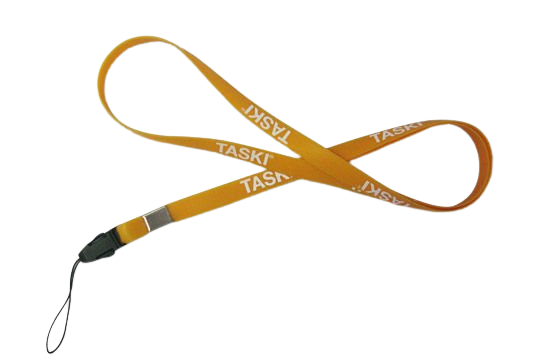
Every lanyard in a hospital, a laboratory or a commercial kitchen has the same problem: it lives against skin all day in an environment with strict hygiene rules, and fabric is the worst possible material for that. A rubberised lanyard is not a comfort upgrade. It is an infection-control decision.
Non-porous, and that is the whole point
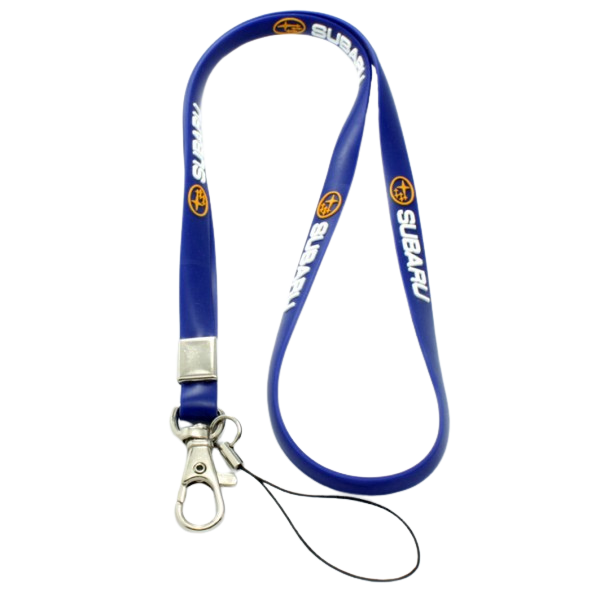
Woven polyester holds what it absorbs — sweat, splashes, hand gel, food. A silicone or PVC strap has no fibres and no seam to trap residue. It can be wiped between shifts with an alcohol wipe, washed in soapy water, and left to dry in minutes. The print does not fade because it is moulded into the material or bonded to a non-absorbent surface.
Choosing between the two
Silicone — soft, highly flexible, hypoallergenic, matte finish. Comfortable against the neck for a twelve-hour shift, and the better surface for a moulded 3D logo.
PVC — firmer, holds its shape, slight sheen, more economical. The right answer when the strap is issued in volume and appearance matters less than durability.
Beyond healthcare
Food production and commercial kitchens, where fabric near an open process is a contamination question. Swimming pools, water parks and spas, where a fabric lanyard is wet all day. Laboratories and cleanrooms. Marine and outdoor work. Anywhere the strap gets dirty faster than it can be replaced.
Specifications
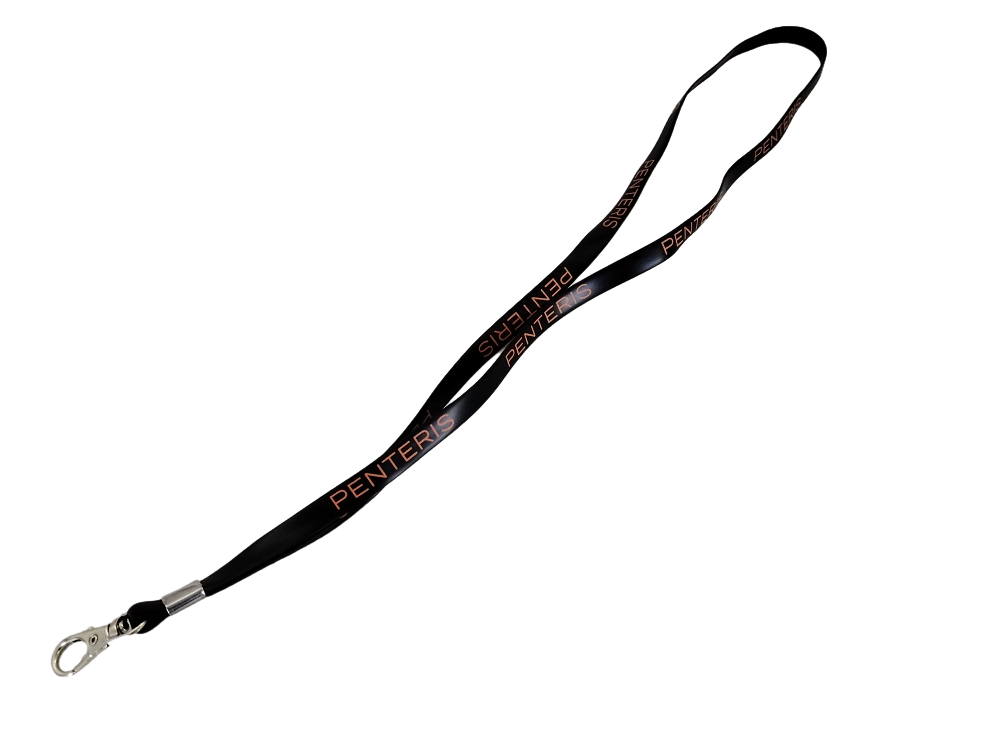
Materials: soft silicone or soft PVC
Cleaning: alcohol wipe or soapy water; colourfast
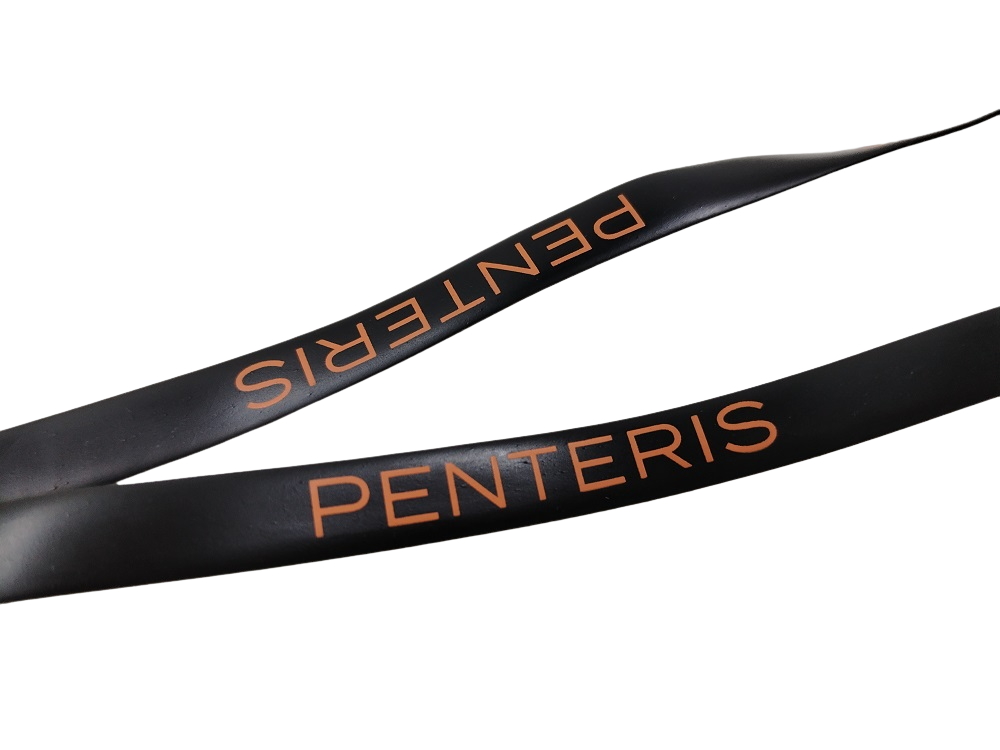
Branding: raised or recessed moulding on silicone; screen print on PVC
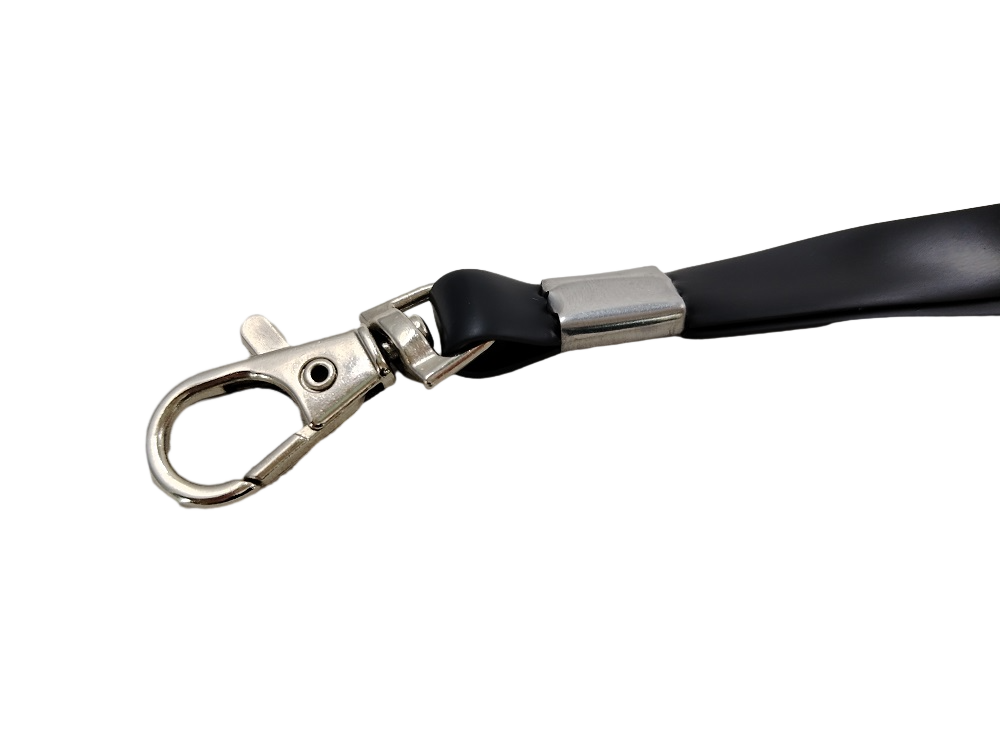
Fittings: standard hooks, safety breakaway available
Minimum order: 100 pieces
Common questions
Why not a normal polyester lanyard in a hospital?
Because woven polyester absorbs. Sweat, splashes and hand gel soak into the fibres and stay there, and a fabric strap cannot be disinfected between shifts without going through a wash. A rubberised lanyard is a sealed, non-porous surface — the same reason clinical equipment is smooth plastic rather than fabric.
Can these be sterilised?
They can be wiped with standard alcohol wipes and washed in warm soapy water without the print fading or the material degrading. They are not autoclave-rated; for anything requiring autoclaving, the lanyard should be removed like any other personal item.
What is the difference between silicone and PVC here?
Silicone is softer, more flexible, hypoallergenic and has a matte finish that feels premium — it costs more. PVC is firmer, holds its shape better, has a slight sheen and is the more economical of the two. Both are fully waterproof; the choice is comfort and appearance against budget.
How is the logo applied?
Raised or recessed moulding on silicone, giving a tactile 3D logo in the material itself, or screen printing on PVC. Because there are no fibres, edges stay sharp — small type reproduces better than on a woven strap.