
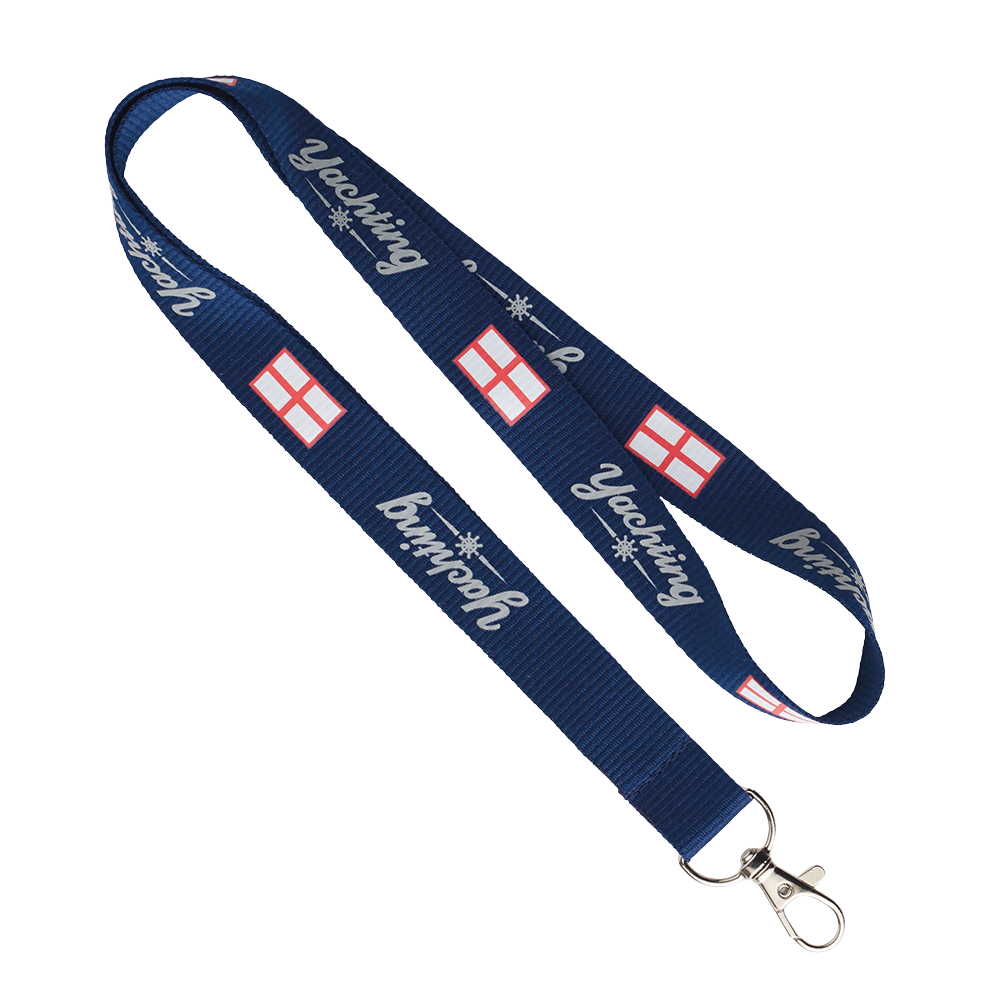
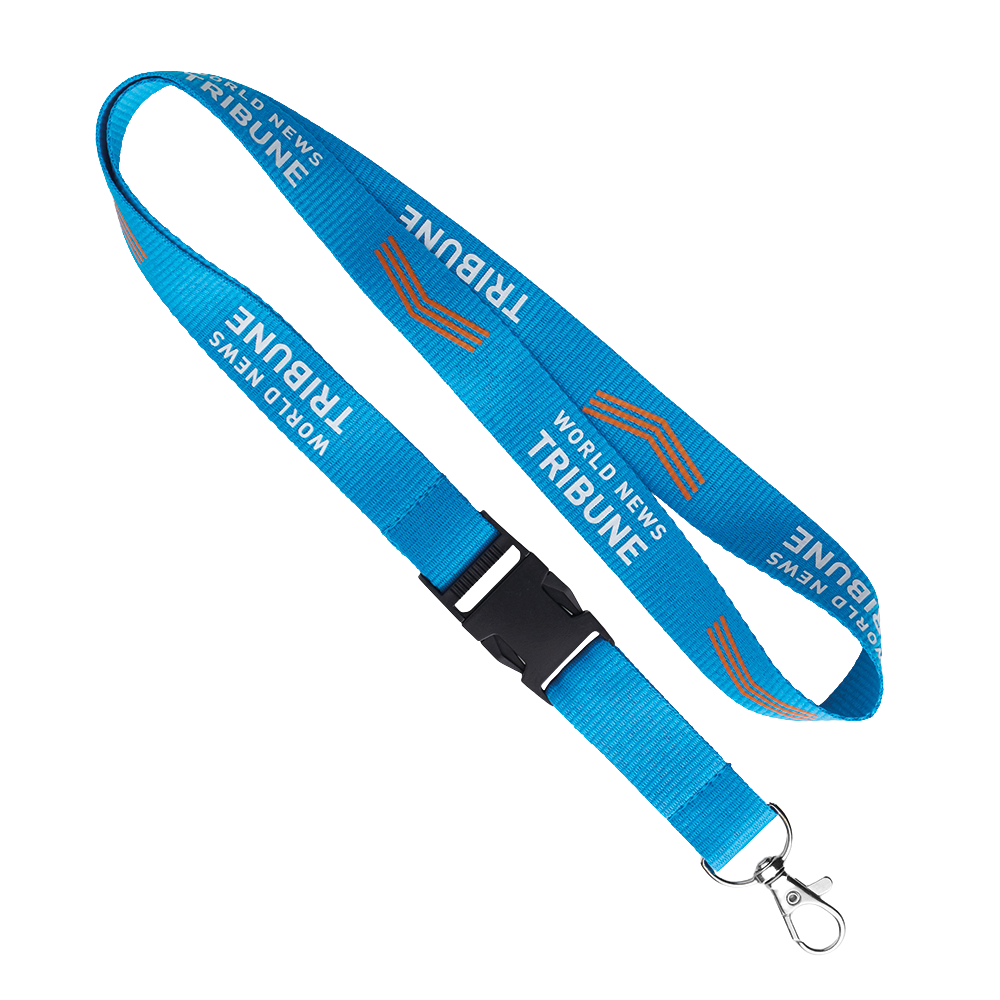
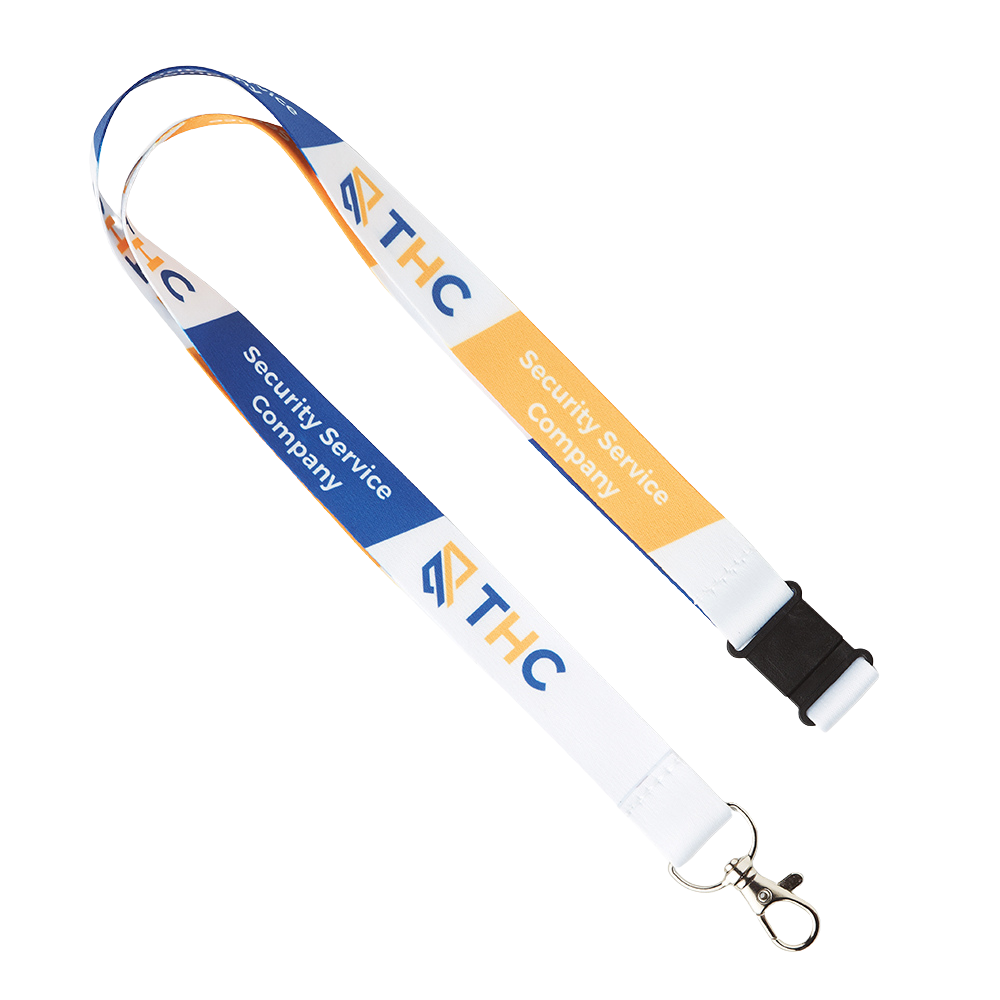
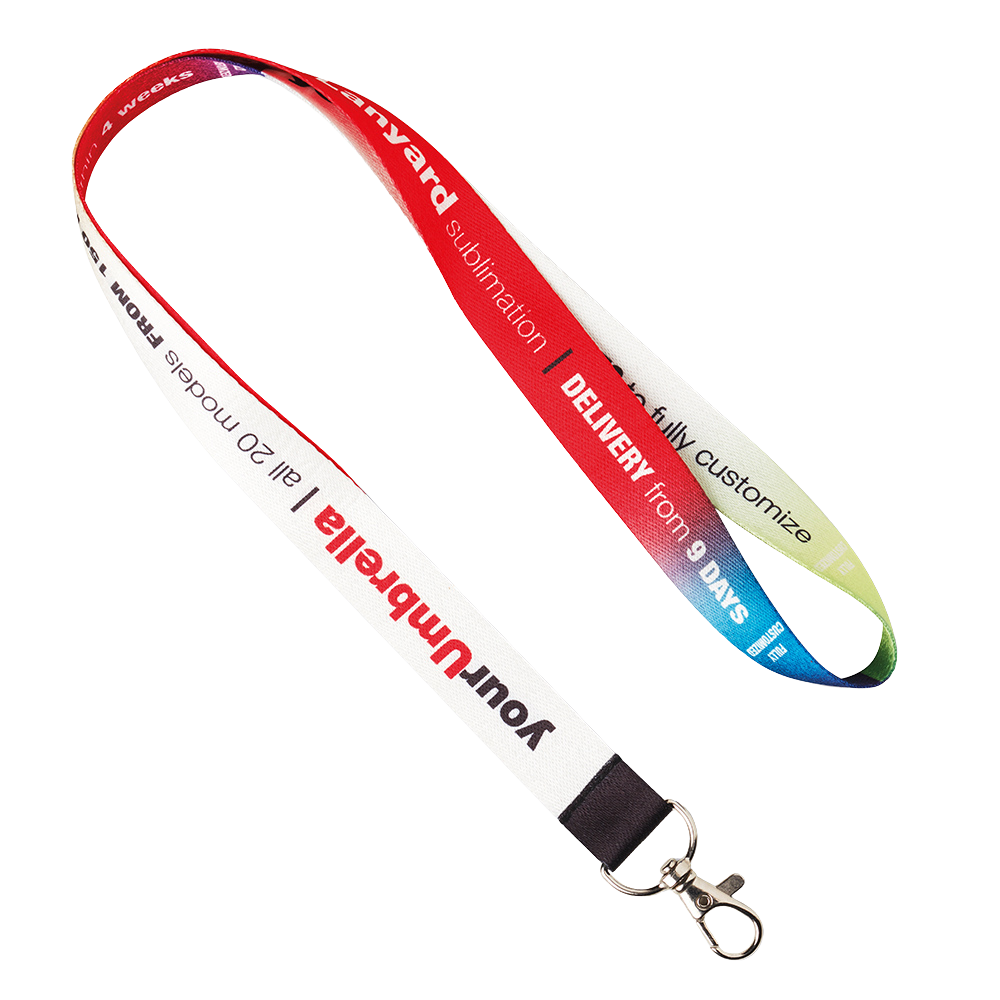
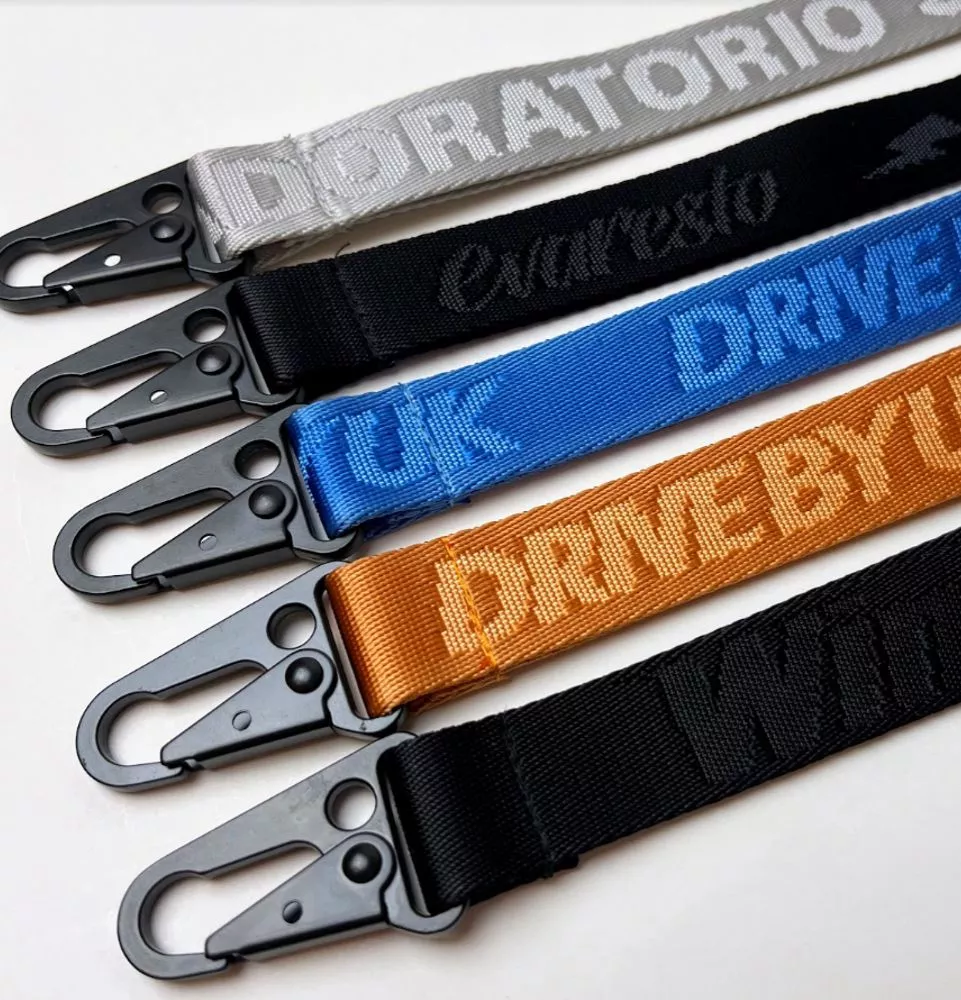
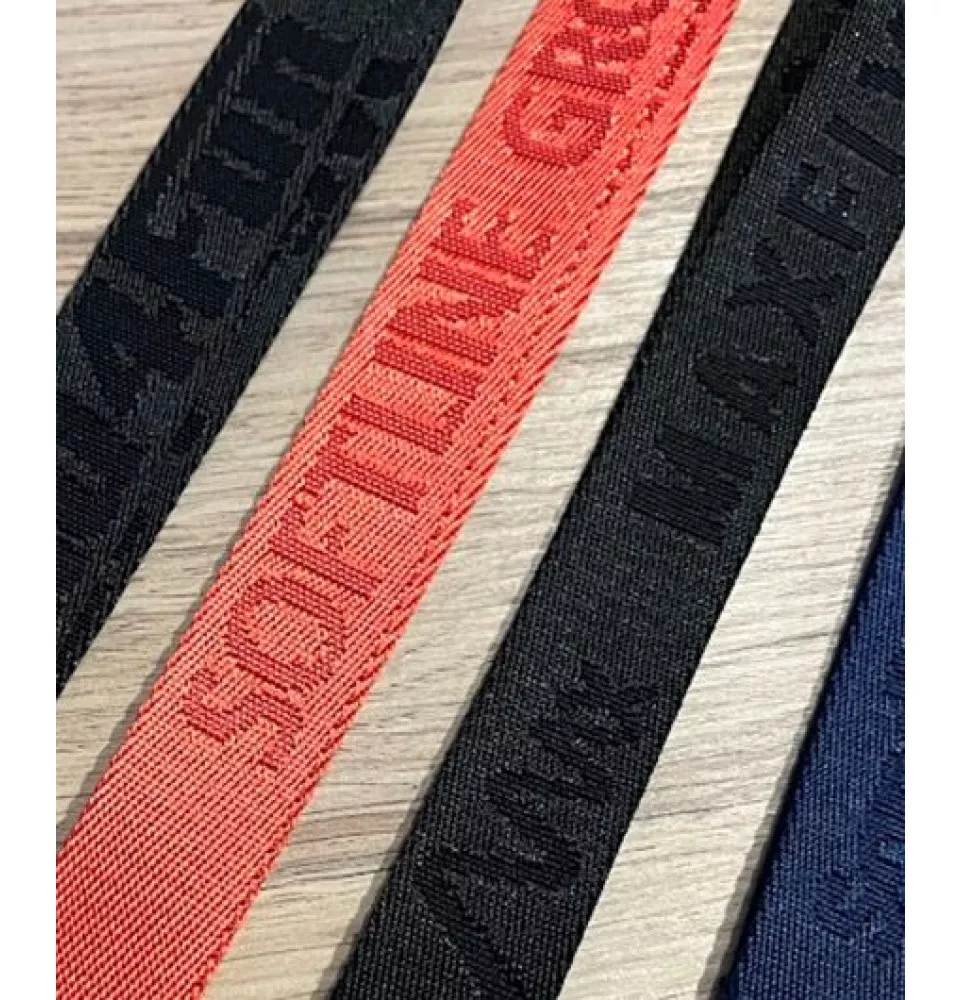
Šī ir tā kaklasaite, ko faktiski pasūta lielākajā daļā pasākumu: plakana, austā siksna ar logo, āķīti apakšā un tik zemu cenu, ka nevienam nav jādomā par pasūtījuma daudzumu. Viss pārējais šajā sortimentā ir atkāpe no šīs versijas, kas izvēlēta tāpēc, ka kāda konkrēta problēma — komforts, ilgtspējība, drošība vai arī identifikācijas karte, kas nepaliek taisni — padarīja standarta versiju nepiemērotu.
To nosaka trīs lēmumi: kā logotips tiek uzlikts uz lentas, cik plata ir lente un ar ko tiek piestiprināta nozīmīte.
| Sietspiede | Krāsas sublimācija | Ar blīvu pīšanu | |
|---|---|---|---|
| Kur atrodas logotips | Tinte uz lentes | Iekrāsots šķiedrā | Iestrādāts pašā audumā |
| Krāsas | 1–4, Pantone komplekts, cena norādīta par katru krāsu | Neierobežots, fotogrāfiskais | Pirmkārt, audumā |
| Abas puses | Cena par vienu pusi | Bez maksas, un var atšķirties | Redzams cauri |
| Izturība | Labi; virsmas slānis | Nedrīkst plaisāt vai lobīties | Vispār nevar izbalēt |
| Lasās kā | Standarta pasākuma krājumi | Izstrādāts | Dārgs |
| Piemērots | Logotips – lielā apjomā, par pieņemamu cenu | Pasākuma grafika, sponsori, krāsu pārejas | Darbinieku identifikācijas kartes auklas, kas paredzētas ilgstošai lietošanai |
Cilvēka ādai vislabāk piestāv dziļi ieausts logotips neilons nevis poliesters: auduma pinums rada nedaudz ieliektu, teksturētu efektu, un lentei ir gludāka, spīdīgāka apdare. Šo uzlaboto variantu ir vērts izvēlēties, ja aukla tiks izmantota arī pēc pasākuma beigām.
| Platums | Kas uz tā var uzlikt |
|---|---|
| 10–15 mm | Logotips. Vieglākais un lētākais. |
| 20 mm | Standarta variants. Abās pusēs — logotips un pasākuma nosaukums. |
| 25 mm | Sponsoru stendi vai kaklasaite, kas paredzēta, lai to varētu redzēt no otras zāles puses. |
Visbiežāk izteiktā sūdzība par kaklasaitēm nav saistīta ar pašu kaklasaiti. Problēma ir tā, ka identifikācijas karte atkal ir apgriezusies. Identifikācijas karte, kas piestiprināta pie viena āķa, brīvi griežas un aptuveni pusi dienas ir redzama tās tukšā aizmugure.
| Montāža | Kā tas darbojas |
|---|---|
| Pagriežamais āķis vai suņu āķis | Standarta variants. Lētākais, uz identifikācijas kartes jāizurbj caurums. |
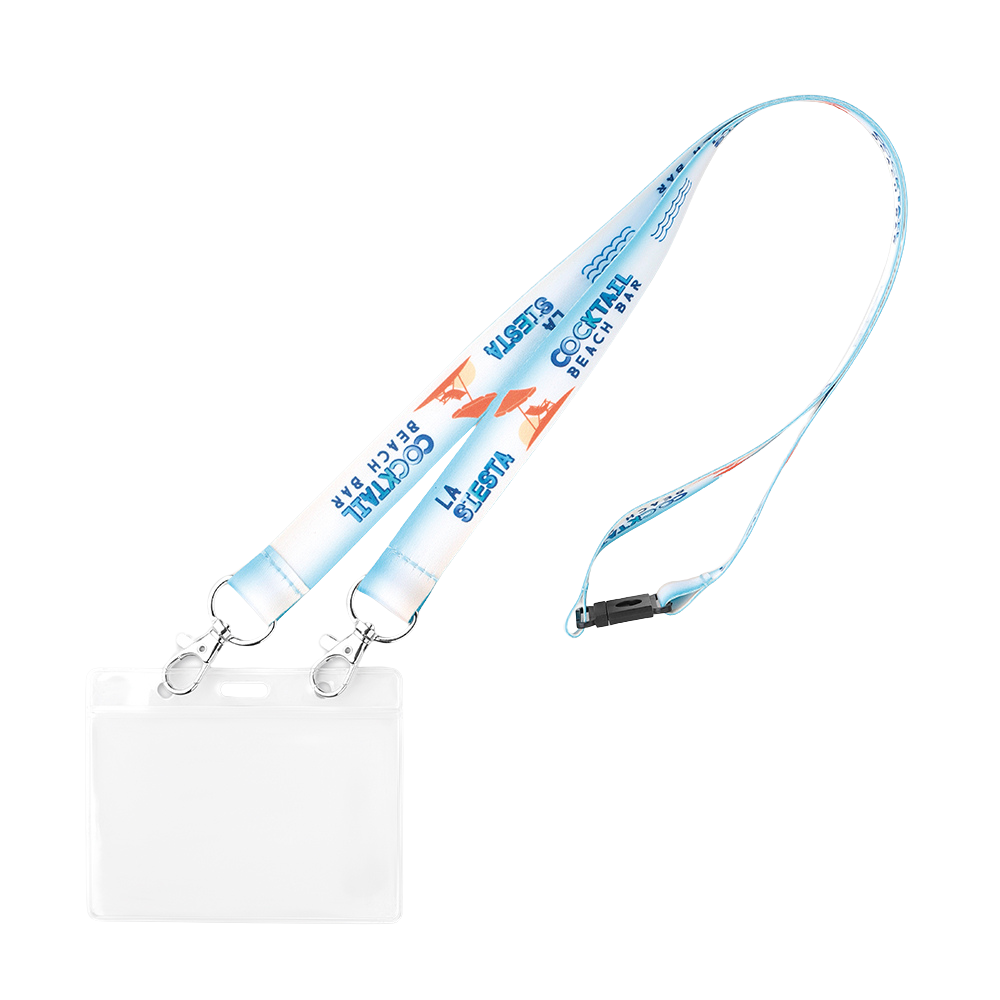
| Divkāršais āķis | Divi stiprinājuma punkti notur identifikācijas karti plaknē, lai tā nevarētu griezties. Tas ir visefektīvākais risinājums šajā gadījumā. |
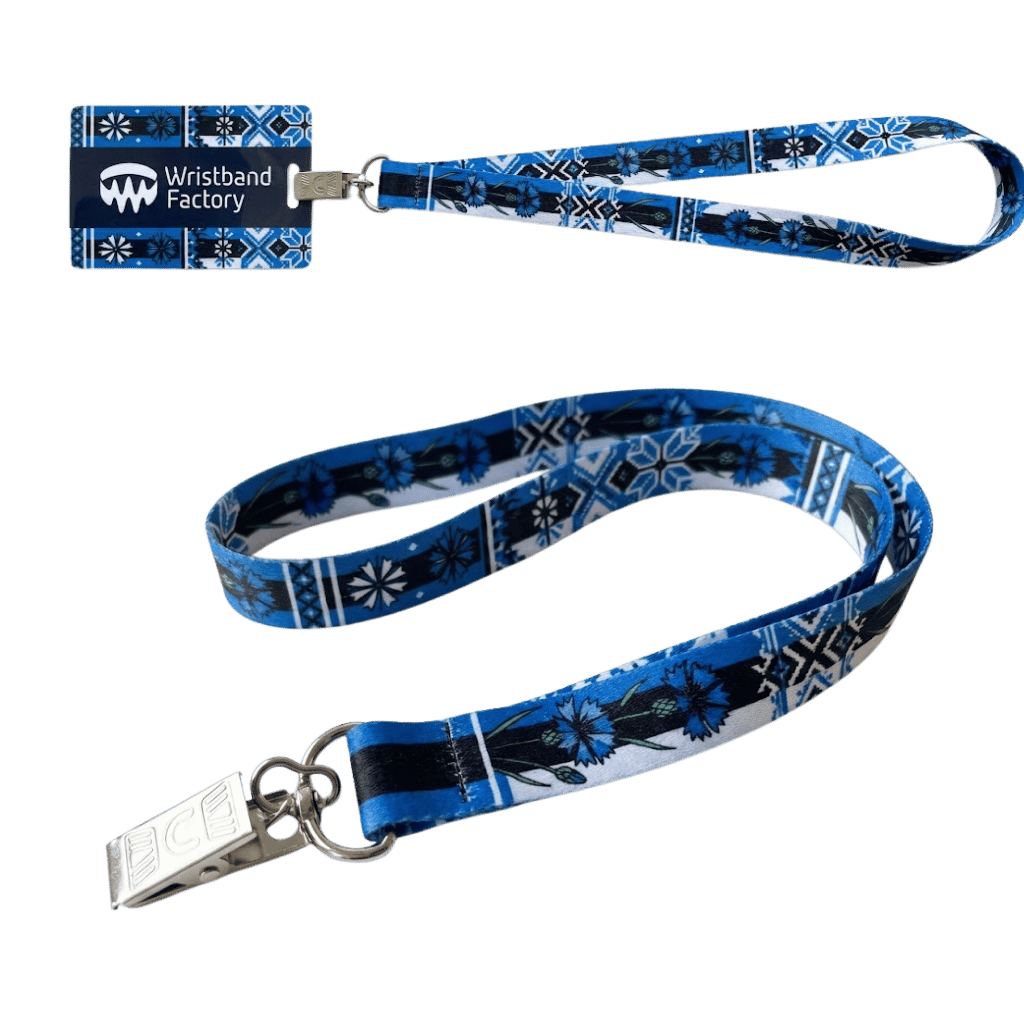
| Metāla buldoga skava | Pavasara mehānismā darbināmie skavas satver gandrīz jebkuras identifikācijas kartes, lamināta vai naudasmaciņa malu — arī tās, kurām nav cauruma. |
| PVC garuma regulētājs | Katram lietotājam ir iespēja noregulēt augstumu. Tas ir piemērots ikdienas lietošanai darbā, nevis divu dienu konferencei. |
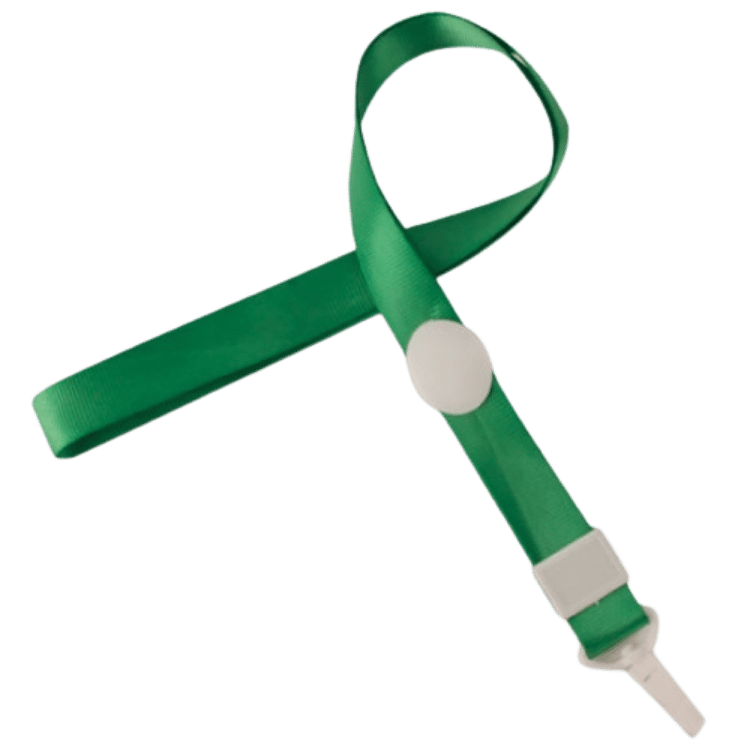
| Drošības atvienošanās mehānisms | Atbrīvo spriedzi pakausī. Obligāti jālieto skolās, slimnīcās un strādājot ar mehānismiem. |
Informāciju par ievelkamajām spulēm, apdrukājamiem slīdņiem un metāla nesaturošiem savienotājelementiem bez āķiem skatiet auklas ar identifikācijas karšu rullīšiem un stiprinājumiem.
Sietspiede uz lentes uzklāj necaurspīdīgu, Pantone saskaņotu tinti, un tā ir vislētākais risinājums vienkrāsainam vai vienas līdz trīs krāsu logotipam. Sublimācijas metode iekrāso grafiku šķiedrā, ļauj attēlot fotogrāfijas un krāsu pārejas, un izmaksas ir vienādas abām pusēm — atšķirīgs grafiskais dizains katrā pusē ir bez maksas. Iestrādāts logotips ir daļa no paša auduma, tāpēc tas nekad neizbalinās, nenolupas un neplaisā; tas ir pieejams tikai vienā krāsā un ir visdārgākais no trim apdrukas veidiem.
20 mm ir standarta izmērs, un to vajadzētu izvēlēties, ja neesat pārliecināts — abās pusēs ir pietiekami daudz vietas logotipam un pasākuma nosaukumam. 10 un 15 mm platās siksnas ir vieglākas un lētākas, taču uz tām patiešām iederas tikai logotips. 25 mm platā siksna ir piemērota gadījumos, kad uz tās ir attēloti nevis viena zīmola, bet vairāku sponsoru logotipi, vai arī ja siksna ir paredzēta, lai to varētu pamanīt no zāles otras puses.
Tāpēc, ka tas karājas pie viena āķa un var brīvi griezties. Risinājumu piedāvā dubultā āķa sistēma: divi piestiprinājuma punkti auklas apakšā notur identifikācijas karti vai kartes turētāju horizontālā stāvoklī un neļauj tam apgāzties. Tas maksā nedaudz dārgāk, taču šajā kategorijā tas ir visefektīvākais risinājums — uz aizmuguri vērsta identifikācijas karte neļauj identificēt personu.
Pavasara mehānismā darbināma skava ar platām žoklēm, līdzīga veļas skavai. Āķim ir nepieciešama atbilstoša izmēra caurums; „bulldog“ skava var piestiprināties pie gandrīz jebkuras identifikācijas zīmes, lamināta vai kartes makiņa malas, ieskaitot tos, kuriem vispār nav cauruma. Tāpēc tā ir praktiska izvēle pasākumos, kur dalībnieki atnes savas caurlaides vai kur identifikācijas kartes tiek drukātas uz vietas.
Tā atbrīvojas pakausī, ja aukla tiek spēcīgi pavilkta vai ieķeras durvīs vai iekārtā. Skolās, slimnīcās un rūpniecības objektos to parasti prasa, un tā izmaksā ļoti maz. Norādiet to, ja vien nav iemesla to nedarīt — iemesls, kāpēc cilvēki to neiekļauj, parasti ir tas, ka neviens to nejautāja, nevis tas, ka tas tiktu apsvērts.
Nilons ir blīvāks, gludāks un spīdīgāks nekā standarta plakanais poliesters, un uz tā īpaši labi izskatās dziļi ieausts logotips — audums rada nedaudz ieliektu, teksturētu efektu, kas rada augstvērtīgas preces iespaidu. Poliesters ir lētāks, uz tā uzdruka izskatās asāka, un to izmanto gandrīz katrā pasākumā. Neilons ir labāka izvēle, ja kaklasaitei ir jākalpo ilgāk par pasākuma laiku.
Jā. PVC slīdnis uz 45–49 cm garas auklas ļauj katram lietotājam noregulēt augstumu tā, lai identifikācijas karte atrastos vietā, kur to var nolasīt. Tas ir lietderīgi ikdienas lietošanai darbavietā, kur vienu un to pašu auklu valkā veselu gadu, bet mazāk piemērots divu dienu konferencei, kurā neviens neko neregulē.
Sākot no 100 gab., aptuveni divas līdz trīs nedēļas pēc dizaina apstiprināšanas. Sietspiedes cena tiek aprēķināta par katru krāsu katrā pusē, tātad divkrāsu logotips abās pusēs ir četras apdruka pozīcijas — to ir vērts zināt, pirms dizains tiek pabeigts.
Pēc uzbūves: apdrukāts poliesters un neilons, apaļais vads, žakarda audums, cauruļveida, satīns, neoprēns, silikons un PVC. Pēc materiāla: dabīgi materiāli, bez plastmasas un stādāms, pārstrādāts rPET. Pēc tā, ko tas pārvadā: zīmju turētāji un piederumi, pudeles siksnas, telefona siksnas, uzlādes vadi, pudeles atvērēji. Pēc apdares: speciālais efekts, atstarojošs un labi pamanāms. Pilnais sortiments: Kakla lentas.

Mūsu ES bāzētā produkcija nozīmē, ka mēs ievērojam pat visstingrākos pasākumu termiņus.

Katrs produkts ir īpaši radīts, lai atbilstu jūsu unikālajām pasākuma vajadzībām un zīmola vadlīnijām.

Ir pieejami ilgtspējīgi materiāli, tostarp pārstrādātas un bioloģiski noārdāmas aproces.








Mūsu projekti