
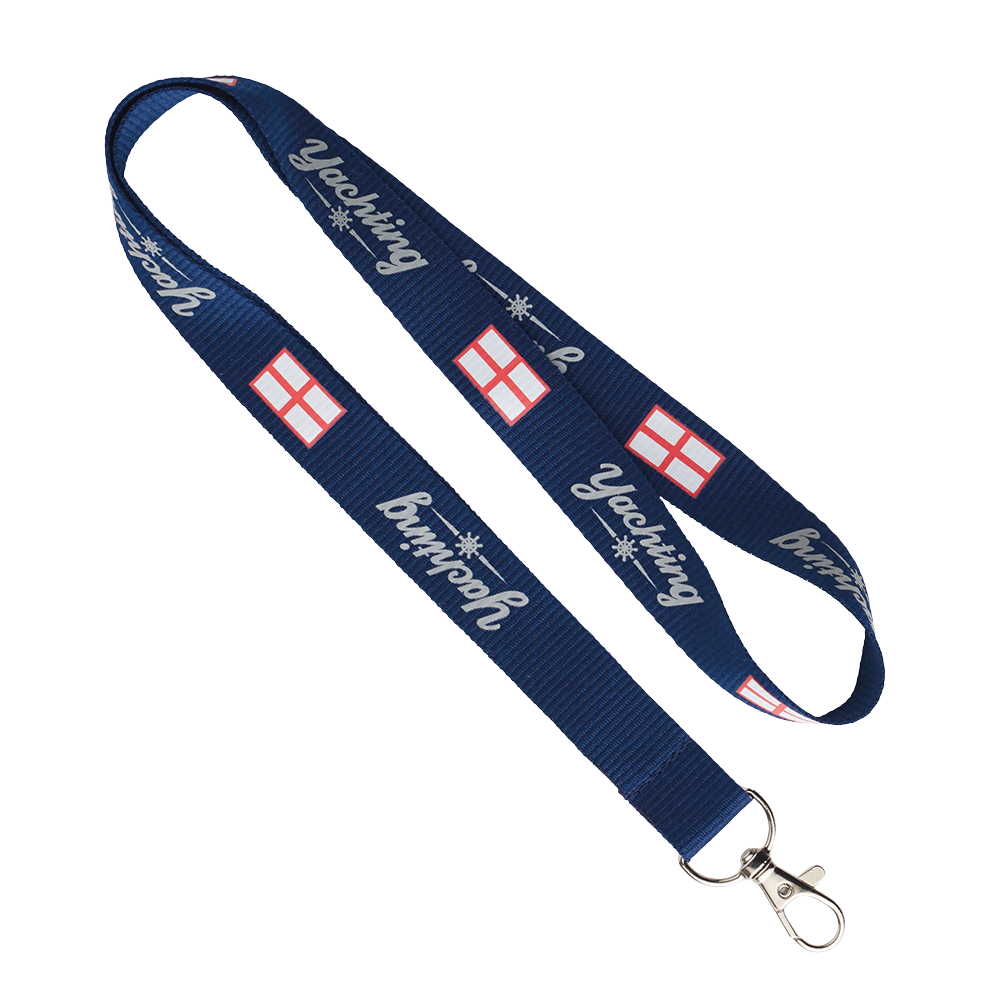
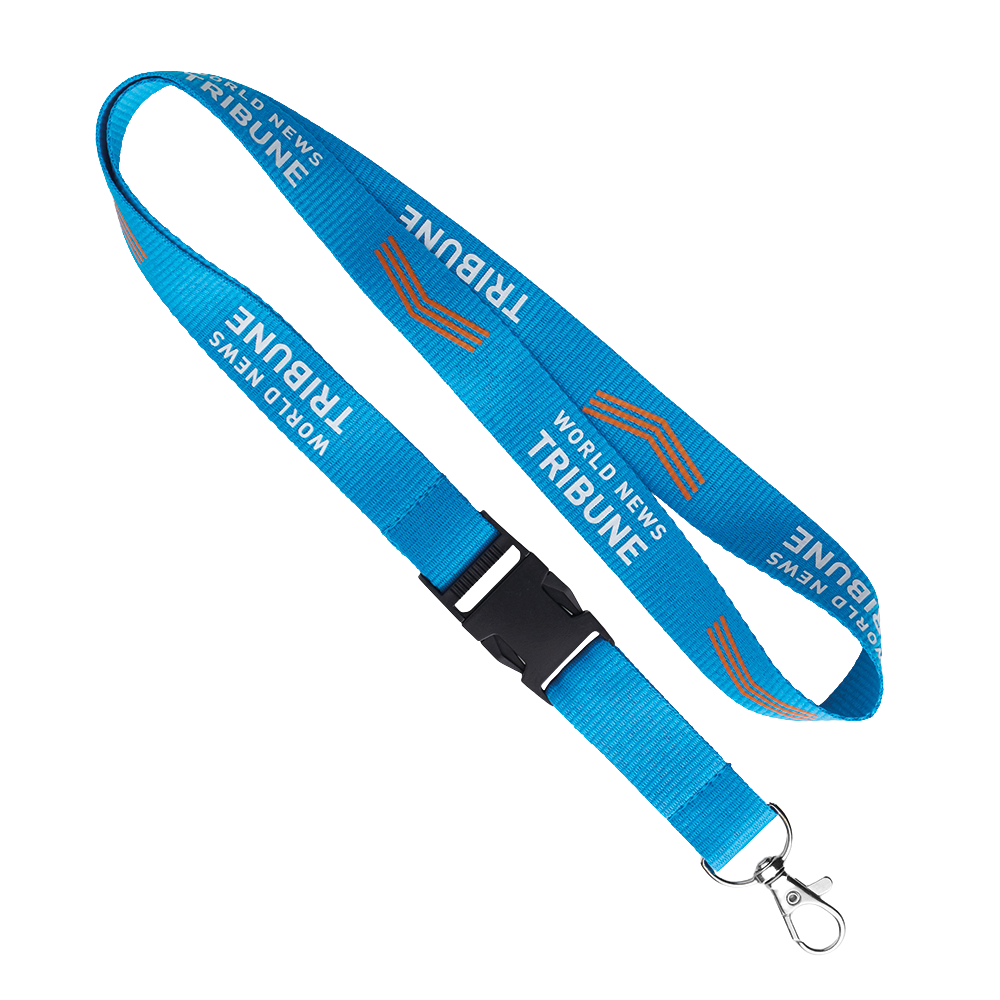
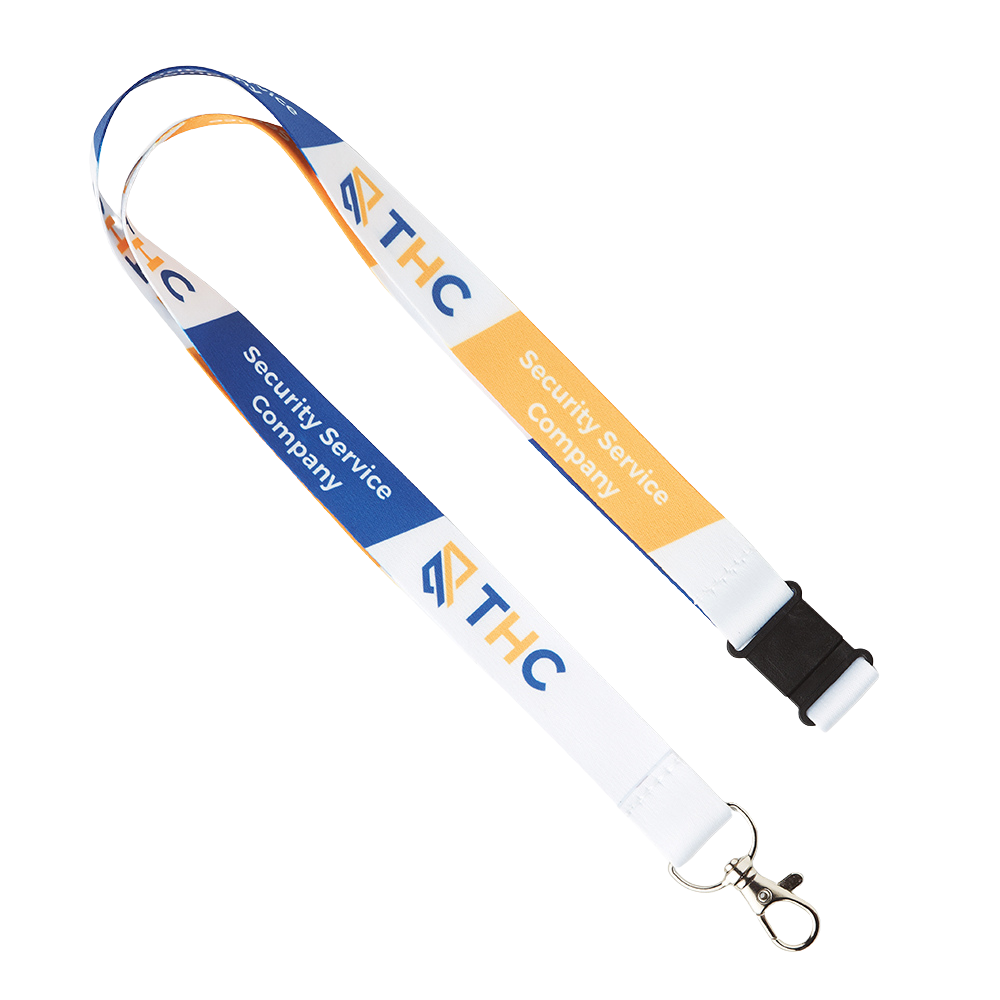
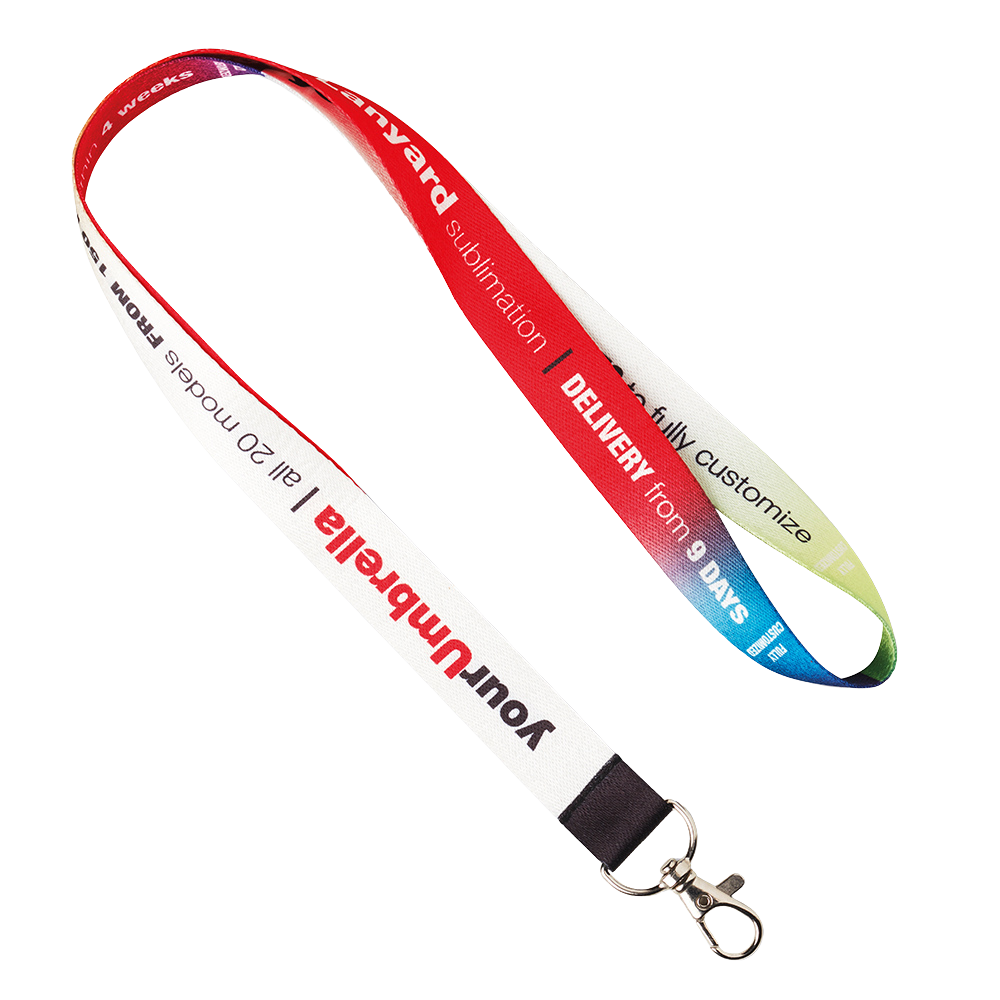
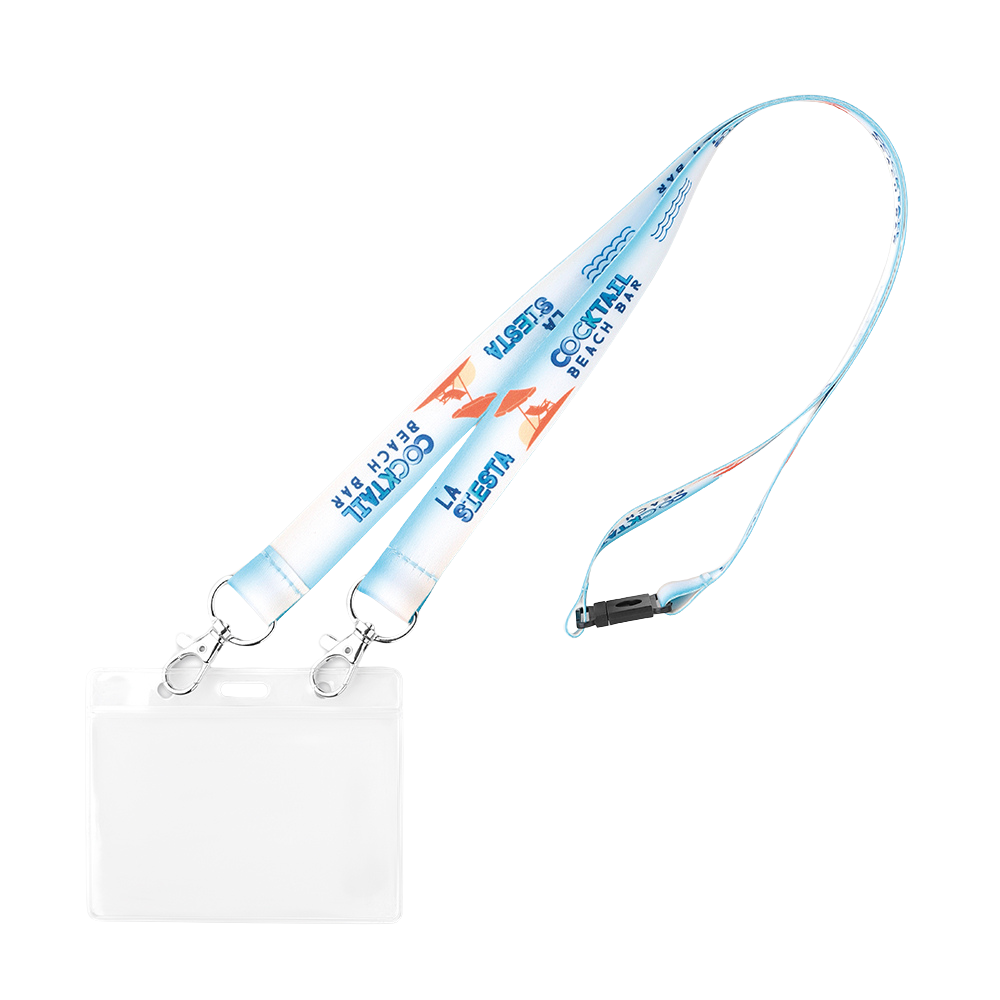
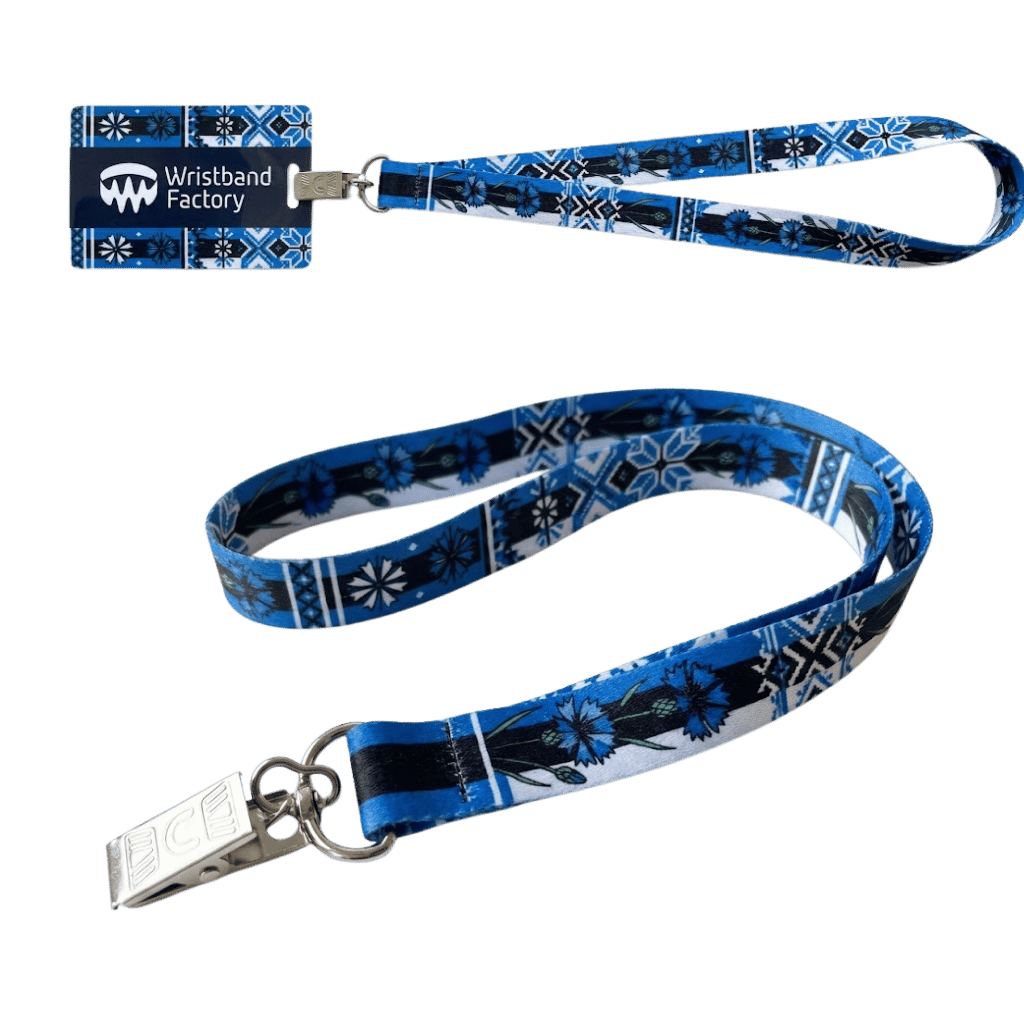
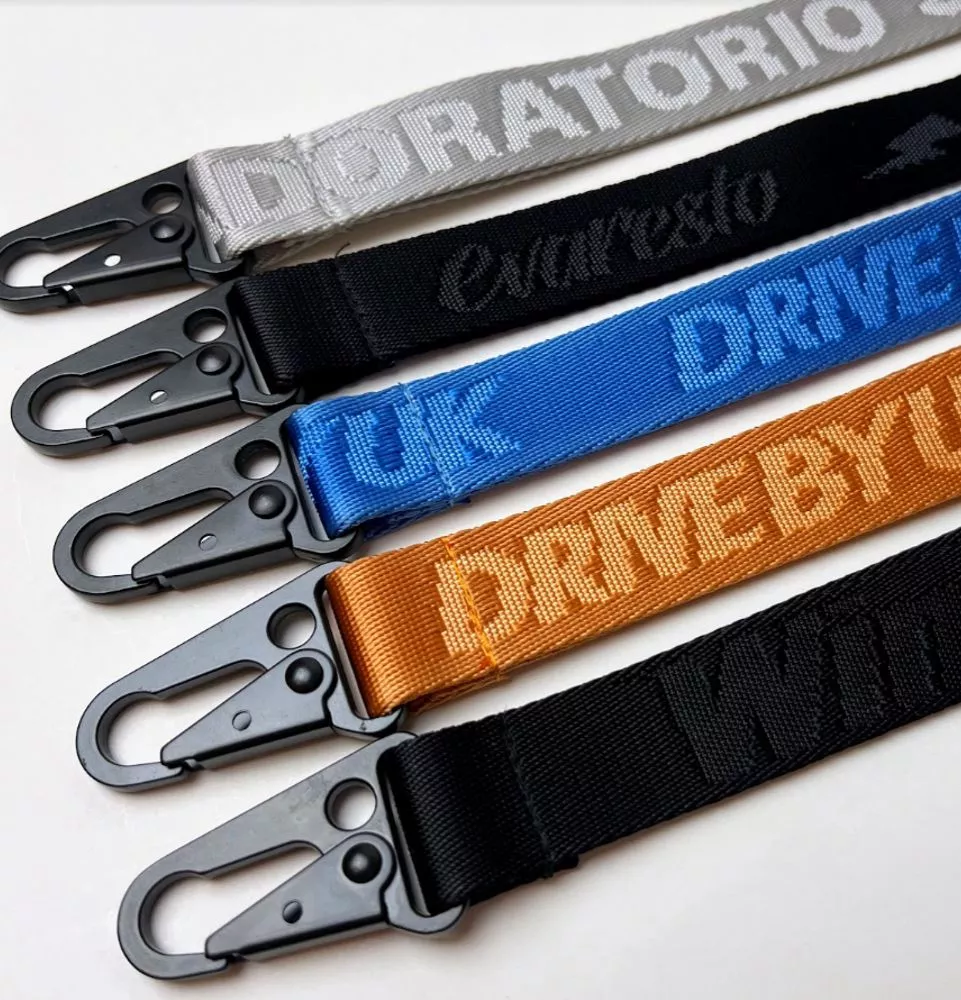
Das ist das Schlüsselband, das bei den meisten Veranstaltungen tatsächlich bestellt wird: ein flach gewebtes Band mit einem Logo, einem Haken am unteren Ende und einem Preis, der so niedrig ist, dass niemand über die Stückzahl nachdenken muss. Alles andere im Sortiment weicht davon ab, weil ein bestimmtes Problem – Komfort, Nachhaltigkeit, Sicherheit oder ein Ausweis, der nicht gerade sitzt – die Standardversion ungeeignet machte.
Drei Entscheidungen sind dabei entscheidend: wie das Logo auf das Band kommt, wie breit das Band ist und womit das Abzeichen befestigt wird.
| Siebdruck | Farbsublimation | Dicht gewebt | |
|---|---|---|---|
| Wo sich das Logo befindet | Tinte auf dem Band | In die Faser eingefärbt | In das Gewebe selbst eingewoben |
| Farben | 1–4, Pantone-farbangepasst, Preis pro Farbe | Unbegrenzt, fotografisch | Erstens: im Gewebe |
| Beide Seiten | Preis pro Seite | Kostenlos, kann variieren | Man sieht es |
| Haltbarkeit | Gut; eine Oberflächenschicht | Kann nicht reißen oder abblättern | Verblasst überhaupt nicht |
| Liest sich wie | Standard-Veranstaltungsbestand | Entworfen | Teuer |
| Geeignet für | Ein Logo in großer Stückzahl zu einem günstigen Preis | Veranstaltungsgrafiken, Sponsoren, Farbverläufe | Mitarbeiter-Ausweishalter, die jahrelang halten sollen |
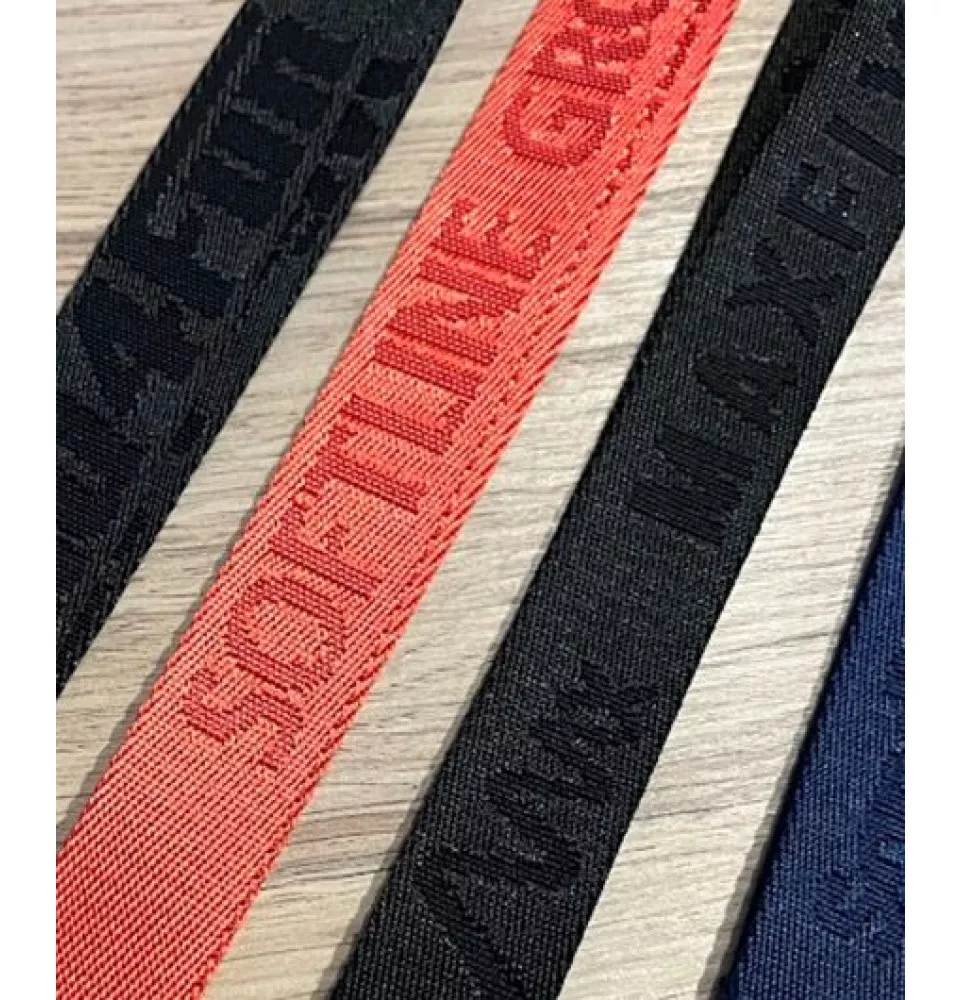
Ein tief eingewebtes Logo kommt am besten in dichtem Nylon anstelle von Polyester: Die Webart sorgt für einen leicht konkaven, strukturierten Effekt, und das Band hat eine glattere, glänzendere Oberfläche. Dies ist die bessere Wahl, wenn das Trageband auch nach der Veranstaltung noch weiterverwendet werden soll.
| Breite | Was passt darauf? |
|---|---|
| 10–15 mm | Ein Logo. Das leichteste und günstigste. |
| 20 mm | Das Standarddesign. Ein Logo und ein Veranstaltungsname, auf beiden Seiten. |
| 25 mm | Sponsorenblöcke oder ein Schlüsselband, das so angebracht ist, dass man es quer durch den Saal lesen kann. |
Die häufigste Beschwerde über Umhängebänder betrifft gar nicht das Band selbst. Es geht vielmehr darum, dass sich das Ausweisplakett wieder gedreht hat. Ein Ausweisplakett, das an einem einzigen Haken befestigt ist, dreht sich frei und zeigt etwa die Hälfte des Tages die Rückseite.
| Montage | Was es bewirkt |
|---|---|
| Drehhaken oder Haken mit Öse | Die Standardausführung. Am günstigsten, erfordert ein Loch in das Abzeichen. |
| Doppelhaken | Zwei Befestigungspunkte halten das Abzeichen flach, sodass es sich nicht drehen kann. Das ist hier die effektivste Lösung. |
| Metall-Büroklammer | Die federbelasteten Backen greifen die Kante fast jedes Ausweises, Laminats oder jeder Geldbörse – auch wenn diese kein Loch haben. |
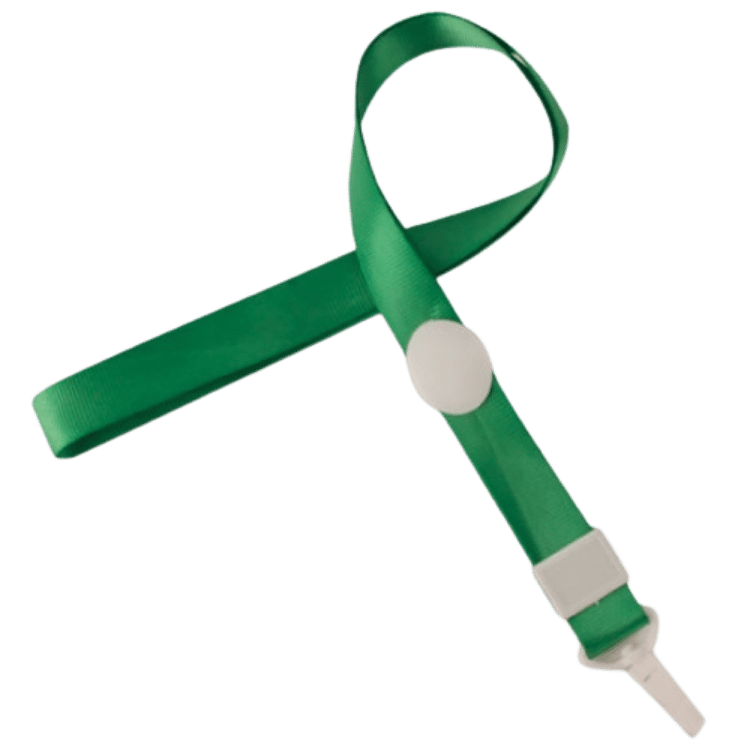
| PVC-Längenversteller | Jeder Träger stellt die Höhe selbst ein. Für den täglichen Einsatz am Arbeitsplatz lohnt es sich, für eine zweitägige Konferenz jedoch nicht. |
| Sicherheitsauskupplung | Entlastet den Nackenbereich bei Belastung. In Schulen, Krankenhäusern und im Umfeld von Maschinen vorgeschrieben. |
Informationen zu einziehbaren Rollen, bedruckbaren Schiebern und metallfreien, hakenlosen Beschlägen finden Sie unter Schlüsselbänder mit Ausweishalter und Befestigungselementen.
Beim Siebdruck wird opake, Pantone-konforme Tinte auf das Band aufgetragen; diese Methode ist die kostengünstigste für ein einfarbiges Logo in ein bis drei Farben. Beim Sublimationsdruck wird das Motiv in die Faser eingebrannt; dieses Verfahren eignet sich für Fotos und Farbverläufe und kostet auf beiden Seiten gleich viel – unterschiedliche Motive pro Seite sind kostenlos. Ein tiefgewebtes Logo ist Teil des Gewebes selbst, sodass es niemals verblassen, abblättern oder reißen kann; es ist auf eine Farbe beschränkt und gilt als die teuerste der drei Verfahren.
20 mm sind der Standard und die richtige Wahl, wenn Sie sich nicht sicher sind – genug Fläche für ein Logo und den Namen einer Veranstaltung auf beiden Seiten. 10 und 15 mm sind leichter und günstiger, bieten aber eigentlich nur Platz für ein Logo. 25 mm lohnen sich, wenn das Band mehrere Sponsoren statt nur einer Marke trägt oder wenn das Lanyard selbst von der anderen Seite des Saals aus sichtbar sein soll.
Weil es an einem einzigen Haken hängt und sich frei drehen kann. Ein Doppelhaken löst das Problem: Zwei Befestigungspunkte am unteren Ende des Bandes halten einen Ausweis oder Kartenhalter flach und verhindern, dass er sich umdreht. Das kostet zwar etwas mehr, ist aber die mit Abstand wirksamste Lösung in dieser Kategorie – ein nach hinten gerichteter Ausweis lässt niemanden identifizieren.
Ein federbelasteter Clip mit breiten Backen, ähnlich einer Wäscheklammer. Ein Haken benötigt ein ausgestanztes Loch in der richtigen Größe; ein Bulldog-Clip lässt sich an fast jedem Ausweis, Laminat oder Kartenetui befestigen, auch an solchen ohne Loch. Das macht sie zur praktischen Wahl für Veranstaltungen, bei denen die Teilnehmer ihre eigenen Ausweise mitbringen oder bei denen die Ausweise vor Ort gedruckt werden.
Es löst sich im Nackenbereich, wenn kräftig am Band gezogen wird oder es sich in einer Tür oder einer Maschine verfängt. In Schulen, Krankenhäusern und Industriebetrieben ist es in der Regel vorgeschrieben, und es kostet kaum etwas. Geben Sie es an, sofern kein Grund dagegen spricht – der Grund, warum es oft weggelassen wird, ist meist, dass niemand danach gefragt hat, nicht, dass man darüber nachgedacht hätte.
Nylon ist dichter, glatter und glänzender als herkömmliches flaches Polyester und eignet sich besonders gut für tief eingewebte Logos – die Webart erzeugt einen leicht konkaven, strukturierten Effekt, der einen hochwertigen Eindruck vermittelt. Polyester ist günstiger, lässt sich schärfer bedrucken und wird bei fast jeder Veranstaltung verwendet. Nylon ist die bessere Wahl, wenn das Schlüsselband über die Veranstaltung hinaus halten soll.
Ja. Ein PVC-Schieberegler an einem 45 bis 49 cm langen Umhängeband ermöglicht es jedem Träger, die Höhe so einzustellen, dass das Namensschild gut lesbar ist. Das lohnt sich für den täglichen Einsatz am Arbeitsplatz, wo dasselbe Umhängeband ein Jahr lang getragen wird, weniger jedoch für eine zweitägige Konferenz, bei der niemand etwas verstellt.
Ab 100 Stück, etwa zwei bis drei Wochen ab Freigabe der Druckvorlage. Der Preis für den Siebdruck richtet sich nach der Anzahl der Farben pro Seite; ein zweifarbiges Logo auf beiden Seiten entspricht somit vier Druckpositionen – das sollten Sie wissen, bevor Sie die Druckvorlage fertigstellen.
Per Definition: bedrucktes Polyester und Nylon, Rundschnur, Jacquard-gewebt, rohrförmig, Satin, Neopren, Silikon und PVC. Nach der Geschichte des Materials: natürliche Materialien, kunststofffrei und pflanzbar, recyceltes rPET. Nach dem, was es transportiert: Ausweishalter und Zubehör, Flaschenriemen, Handy-Tragebänder, Ladekabel, Flaschenöffner. Nach Fertigstellung: Spezialeffekt, reflektierend und gut sichtbar. Das gesamte Sortiment: Schlüsselbänder.

Dank unserer Produktionen in der EU können wir selbst die engsten Veranstaltungstermine einhalten.
Jedes Produkt wird speziell auf Ihre individuellen Veranstaltungsbedürfnisse und Markenrichtlinien zugeschnitten.

Es sind nachhaltige Materialien erhältlich, darunter recycelte und biologisch abbaubare Armbänder.





Unsere Projekte