Gandrīz katrs pasūtījums par kaklasaitēm tiek saņemts vienā un tajā pašā veidā: ar logotipu, daudzumu un datumu. Trūkst tikai tā daļa, kas nosaka, vai pasūtījums izdosies — un tas nav logotips.
Aukla ir trīs savstarpēji nesaistīti lēmumi, kas viens uz otra uzkrāti. Ja tos pieņem pareizā secībā, tas aizņem piecas minūtes. Ja tos pieņem nepareizā secībā — kas parasti notiek, jo vispirms tiek saņemts logotips —, beigās sanāk izstrādāt dizainu siksnai, uz kuras to nevar uzlikt, vai arī samaksāt par austu apdari siksnai, ko neviens nevalkās ilgāk par pusdienlaiku.
Pirmais lēmums: būvniecība
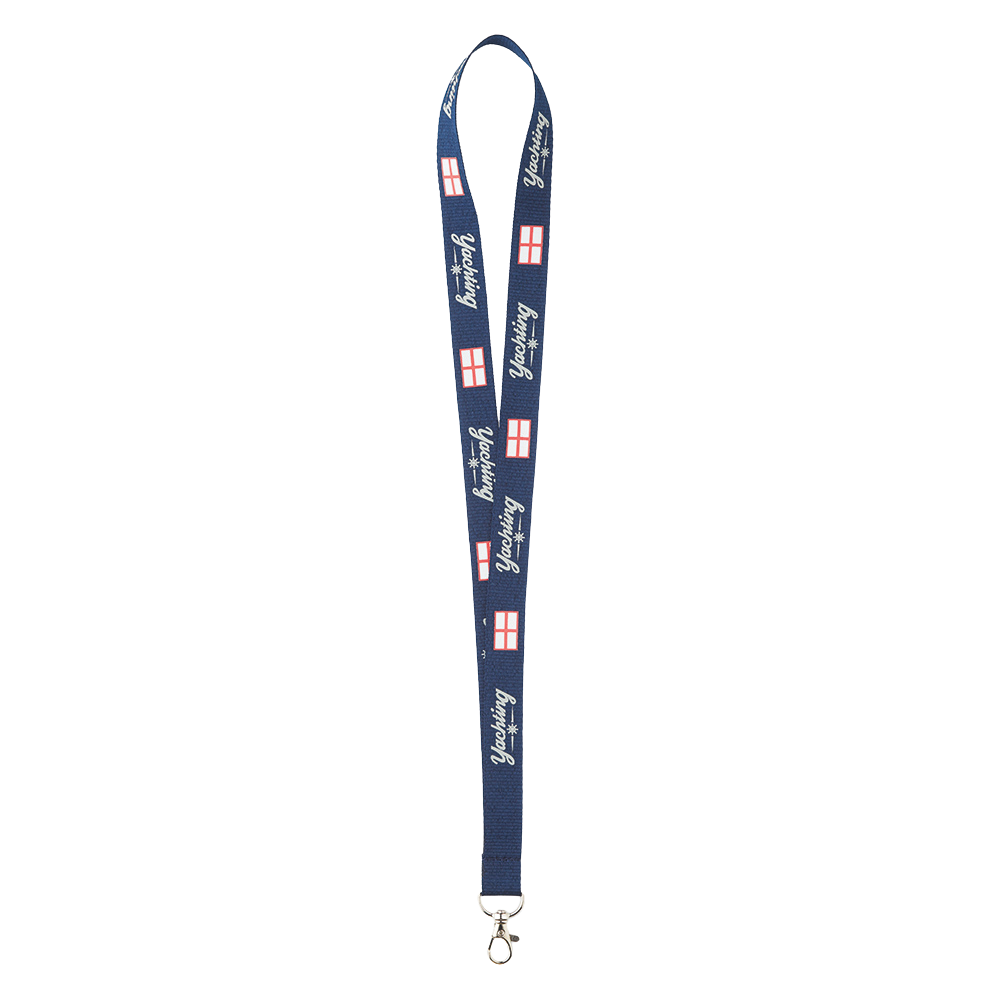
Šis nosacījums ir pirmais, jo tas ierobežo visu, kas seko pēc tā. Plakana lenta ir reklāmas stends; apaļā aukla – nē. Uz satīna siksnas var uzdrukāt tikai vienā pusē. Uz auklas vispār nevar uzdrukāt.
| Celtniecība | Drukājamā zona | Šķiet, ka | Izvēlieties to, ja |
|---|---|---|---|
| Gluds poliesters vai neilons | Lielākais, abās pusēs | Standarta pasākuma krājumi | Standarta variants. Lētākais, vislielākais apjoms, visvairāk piederumu. |
| Apļveida vads | Pašu vadā nav nekā | Vieglāks, ērtāks, mazāk līdzinās bezmaksas suvenīram | Konferences un biroji, kur kaklasaiti valkā visu dienu. |
| Žakarda audums | Logotips ir audums | Ar faktūru un dārgs | Personāla identifikācijas kartes, kas paredzētas lietošanai ilgāk par vienu pasākumu. |
| Satīns | Tikai viena puse | Gluds un gaismu atstarojošs | VIP līmeņi un apbalvošanas ceremonijas. |
| Neoprēns | Labi | Ar polsterējumu un izturīgs | Gari darba maiņas, smagas identifikācijas zīmes, darbs objektā. |
| Silikons vai PVC | Vidējs | Noslaukāms | Veselības aprūpe, pārtikas apstrāde — visur, kur siksna tiek tīrīta. |
Šeit problēma ir apaļā aukla. Tā tiek izvēlēta ērtības dēļ, bet pēc tam kāds atklāj, ka aukla ir pārāk šaura, lai uz tās varētu uzdrukāt, un logotips ir jāpārvieto uz slīdni vai nozīmīti. Tas nav nekāda problēma — ir seši veidi, kā marķēt auklu — taču šis lēmums ir jāpieņem sākumā, nevis pēc tam, kad mākslas darbs jau ir apstiprināts.
Otrs lēmums: kā logotips tiks attēlots
Ir trīs metodes, un izvēli nosaka nevis budžets, bet gan mākslas darbs.
| Sietspiede | Krāsas sublimācija | Austs | |
|---|---|---|---|
| Krāsa | 1–4, Pantone komplekts, cena norādīta par katru krāsu | Neierobežots, fotogrāfiskais | Līdz četriem, vienā tēmā |
| Abas puses | Cena par vienu pusi | Bez maksas, un var atšķirties | Redzams cauri |
| Izturība | Virskārta | Nedrīkst plaisāt vai lobīties | Vispār nevar izbalēt |
| Piemērots | Logotips precīzi zīmola krāsās | Pasākuma grafika, sponsori, krāsu pārejas | Auklas, kas tiek valkātas jau gadiem ilgi |
Noderīgs noteikums: ja attēlu var izgriezt no krāsainā papīra, izmantojiet sietspiedi. Ja to nevar izgriezt — piemēram, fotogrāfija, krāsu pāreja vai pūļa attēls —, tad jāizmanto sublimācijas metode. Un, ja aukla ir darbinieka identifikācijas karte, ko valkās katru dienu trīs gadus, tad to vajadzētu aust, jo šajā laikā uzdrukātā virsma nolietosies vietā, kur aukla berzējas pret apkakli.
Trešais lēmums: kas tur nozīmīti
Šis ir lēmums, ko cilvēki parasti ignorē, un tieši tas izraisa sūdzības. No viena āķa karājoša nozīmīte var brīvi griezties, un tā arī darīs — aptuveni pusi dienas tā rādīs tukšu baltu aizmuguri visiem, ar kuriem tās valkātājs sastopas.
- Divkāršais āķis — divi stiprinājuma punkti notur nozīmi horizontālā stāvoklī, lai tā nevarētu griezties. Tas ir visefektīvākais risinājums šajā kategorijā, un tas maksā ļoti maz.
- buldogveida skava — atsperes mehānismam aprīkotie skavas notur gandrīz jebkuru identifikācijas karti, laminātu vai naudasmaku, tostarp arī tos, kuriem nav perforācijas cauruma. Tieši tad, kad dalībnieki ierodas ar savām identifikācijas kartēm vai kad tās tiek izdrukātas uz vietas.
- Ievilcamais rullis — nozīmēm, kuras dienā tiek nolasītas daudzas reizes. Izvēlieties integrētā versija nevis uzstādāms ar skavu: veidots korpuss neatsakās un neapgriežas.
- Bez āķa — lentē izgrieztās rievas tieši notur identifikācijas kartes turētāju, un tajā vispār nav metāla. Uz jautājumu, kur metāla detaļas rada neērtības: identifikācijas kartes turētāju notur pati siksna, un auklā vispār nav metāla.
- Drošības atvienošanās mehānisms — atbrīvojas, ja tiek pakļauts slodzei pakausī. Tas ir standarta risinājums skolās, slimnīcās un visur, kur aukla varētu ieķerties iekārtās, un tas gandrīz neko nemaksā. Norādiet to, ja vien nav iemesla to nedarīt.
Tad, un tikai tad, materiālā vēsture
Ilgtspēja ir ceturtais lēmums, un tas papildina pirmos trīs, nevis tos aizstāj. Turklāt to var sadalīt trīs patiesi atšķirīgos apgalvojumos, kurus bieži sajauc:
- Pārstrādātu materiālu saturs. rPET kakla lentes ir austas no lietotām pudelēm. Tās izskatās, valkājas un maksā gandrīz tieši tāpat kā standarta poliesters, kas padara šo par vienkāršāko pieejamo aizstājēju.
- Dabīgs materiāls. Kokvilna, bambuss, korķis un filcs — izvēlēts tāpēc, ka attēlam ir jābūt vizuāli saskaņotam ar vēstījumu.
- Pilnīgi bez plastmasas. Kukurūzas cietes šķiedra, kartons, mazgājams papīrs un stādāms sēklu papīrs, gadījumā, ja atbildei jābūt “neviens”.
Viena detaļa nosaka, vai kāds no tiem izturēs pārbaudi: armatūra. Kokvilnas aukla ar niķelētu āķi, plastmasas slīdni un poliestera drošības aizsargu lielākajā daļā gadījumu neatbilst aprakstam, un tas ir pirmais, uz ko norādīs skeptiski noskaņots cilvēks. Noskaidrojiet, kādas āķa un drošības aizsardzības variācijas var pievienot jūsu pasūtījumam. Tas izmaksā nedaudz dārgāk par vienu gabalu, taču tas ir galvenais atšķirības faktors starp dabīgu auklīti un vienkārši dabīgi izskatošu auklīti.
Kad auklai ir jāveic kāda cita funkcija
Kakla siksna ir ērta vieta, kur piekārt ne tikai identifikācijas karti, un pastāv četri tās varianti, jo cilvēki nepārtraukti jautāja:
- Pudeles nesamās siksnas — silikona gredzens, cieta plastmasas kronšteins vai auklas siksna, kas ļauj PET pudeli nēsāt.
- Tālruņa siksnas — stiprinājuma plāksteris, ko piestiprina pie uzlādes atveres, der praktiski jebkuram tālrunim.
- Uzlādes kabeļu auklas — kabelis ir siksna, kas atrisina to vienīgo lietu, ko katrs konferences dalībnieks ir aizmirsis.
- Pudeles atvērēji — iebūvēts metāla atvērējs, tāpēc šīs pudeles tiek saglabātas vēl ilgi pēc festivāla.
Divas lietas, kas jāzina pirms uzstāšanās
Platums tiek noteikts pirms grafiskā dizaina izstrādes, nevis pēc tam. 20 mm ir standarta platums, kas abās pusēs ļauj izvietot gan logotipu, gan pasākuma nosaukumu. 10 un 15 mm platumā var ietilpt tikai logotips un nekas cits. 25 mm platums ir piemērots gadījumos, kad uz siksnas ir attēloti vairāki sponsori, nevis tikai viens zīmols. Dizaina izstrāde vienā platumā un ražošana citā platumā ir visbiežākais iemesls, kāpēc logotips nav salasāms.
Sietspiedes cena tiek aprēķināta par katru krāsu katrā pusē. Divkrāsu logotips abās pusēs ir četras drukāšanas pozīcijas, nevis viena. Šo skaitli ir vērts zināt jau pirms maketa apstiprināšanas, nevis tad, kad tiek saņemts cenu piedāvājums.
Piecu minūšu versija
- Cik ilgi to valkās un kas to valkās? No tā ir atkarīga izgatavošanas veids.
- Vai attēlu varētu izgriezt no krāsaina papīra? Tas nosaka drukāšanas metodi.
- Kāda veida karte un cik bieži to nolasī? No tā ir atkarīgs, kāds aprīkojums ir piemērots.
- Vai apgalvojumam par ilgtspējību ir jāiztur pārbaude? Ja jā, norādiet arī aprīkojumu.
Viss pārējais — krāsa, garums, iepakojums — ir sīkumi, kas izriet no šīm četrām atbildēm. Pilns kaklasaites sortiments ir pieejams šeit, kas organizēti tādā pašā veidā.