




Istnieje różnica między smyczą wykonaną z tworzywa sztucznego pochodzącego z recyklingu a smyczą, która nie zawiera tworzywa sztucznego. Poliester z recyklingu stanowi dobre rozwiązanie w kontekście “ograniczenia zużycia nowych materiałów”; nie jest jednak odpowiedzią na postulat, by “żadne produkty pochodzenia naftowego nie opuściły tego wydarzenia”. Te cztery materiały właśnie to zapewniają.
| Tworzywo | Czym to jest | Co dzieje się potem |
|---|---|---|
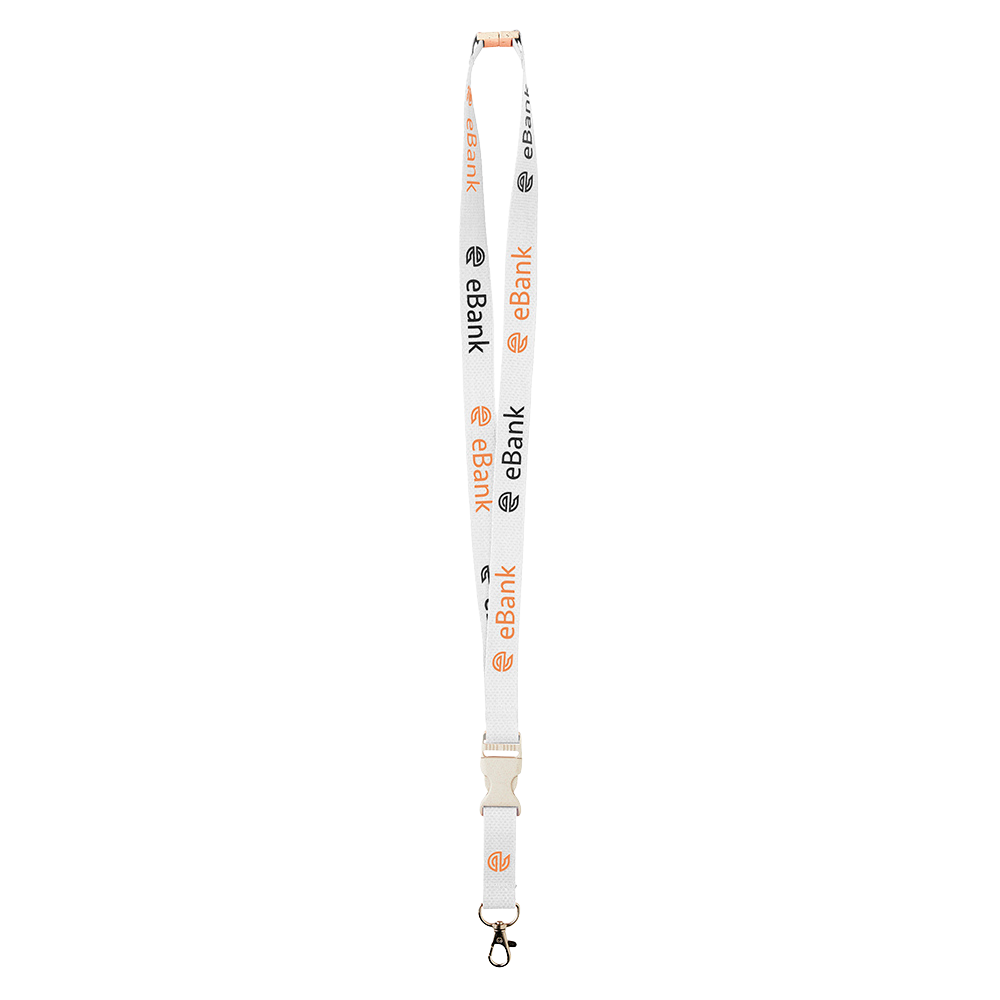
| PLA ze skrobi kukurydzianej | Włókno wytworzone z kukurydzy zamiast ropy naftowej. Zachowuje się dokładnie tak samo jak poliester — ma taką samą wytrzymałość i nadaje się do nadruku. | Ulega biodegradacji. Nikt nie zauważy, że to nie jest zwykła smycz, dopóki sam tego nie powiesz. |
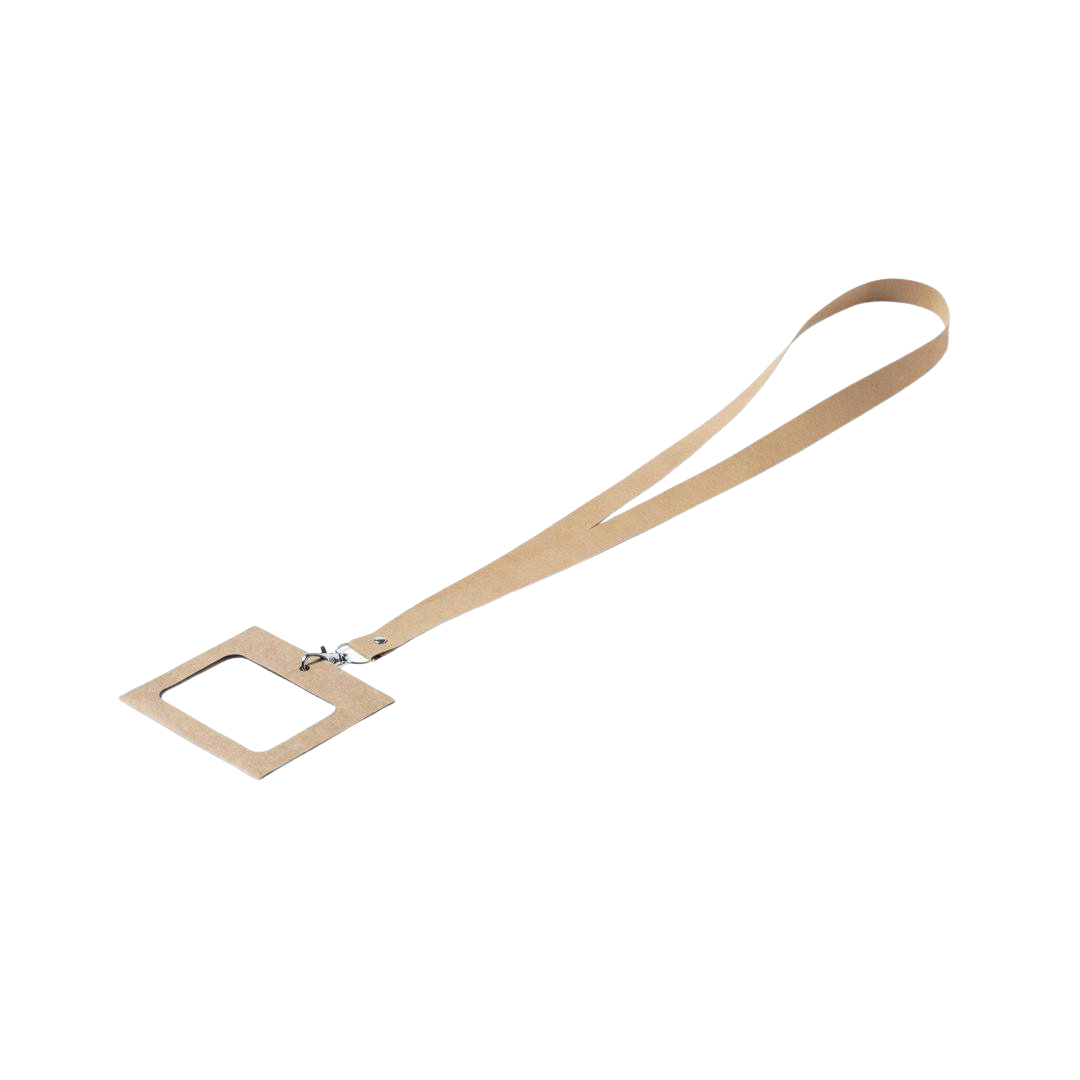
| Tektura z recyklingu | Wzmocniony papier z recyklingu, charakterystyczny wygląd typu Kraft. Najtańsza smycz w katalogu. | Przeznaczony do recyklingu wraz z papierem. Przedmiot zaprojektowany z myślą o jednorazowym użyciu. |
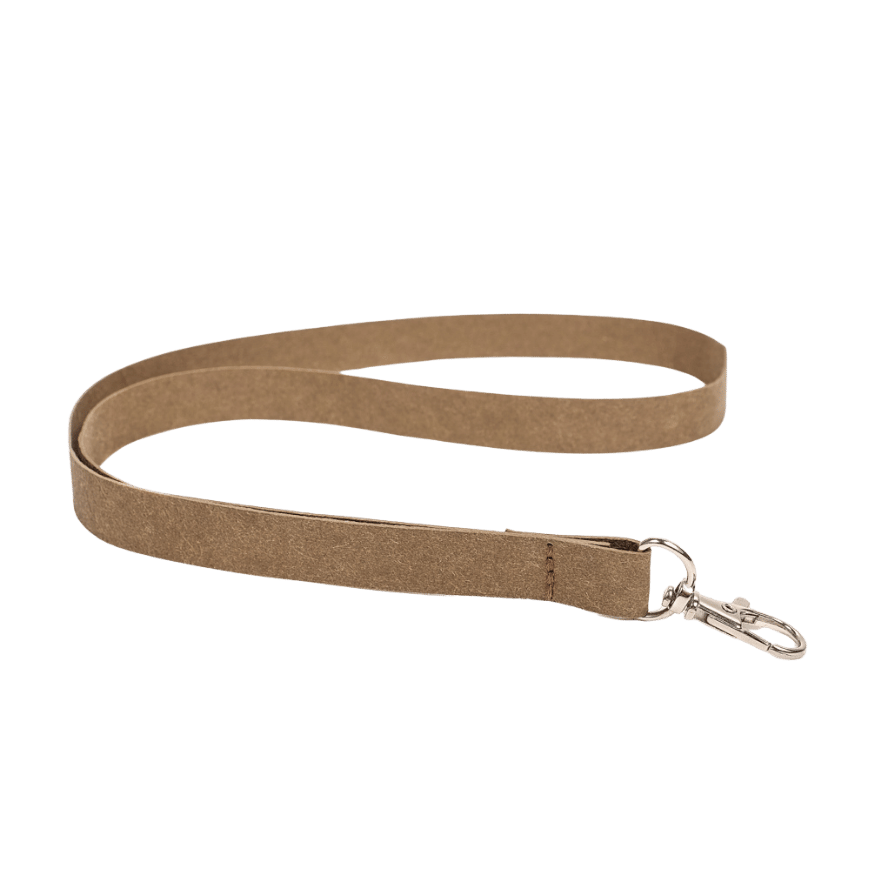
| Papier nadający się do prania | Kompozyt z papieru kraftowego, odporny na rozdarcia i wilgoć. Często sprzedawany jako skóra wegańska. | Ulega biodegradacji, ale wytrzymuje znacznie dłużej, niż można by się spodziewać. |
| Papier z nasionami | Papier z wtopionymi nasionami polnych kwiatów. | Zasiane. Papier ulega rozkładowi, a nasiona kiełkują. |
Smycz z papieru z nasionami odwraca typowy problem związany z gadżetami eventowymi. Zamiast zastanawiać się w poniedziałek rano, co zrobić z trzema tysiącami smyczy, prosi się uczestników, by je zasadzili — a to, co było kosztem utylizacji, staje się elementem wydarzenia, który ludzie fotografują. Jest to zdecydowanie najdroższa opcja na tej stronie, ponieważ papier jest produkowany z dodatkiem nasion, a ponadto jest to jedyny produkt, którego koniec cyklu życia stanowi jego zaletę.
Jest to również – celowo – najmniej wytrzymały wariant. Jeśli smycz ma przetrwać trzy dni deszczu i pracę na biurku, na którym często się je wymienia, użyj PLA z kukurydzy, a do sadzenia rozdaj coś innego.
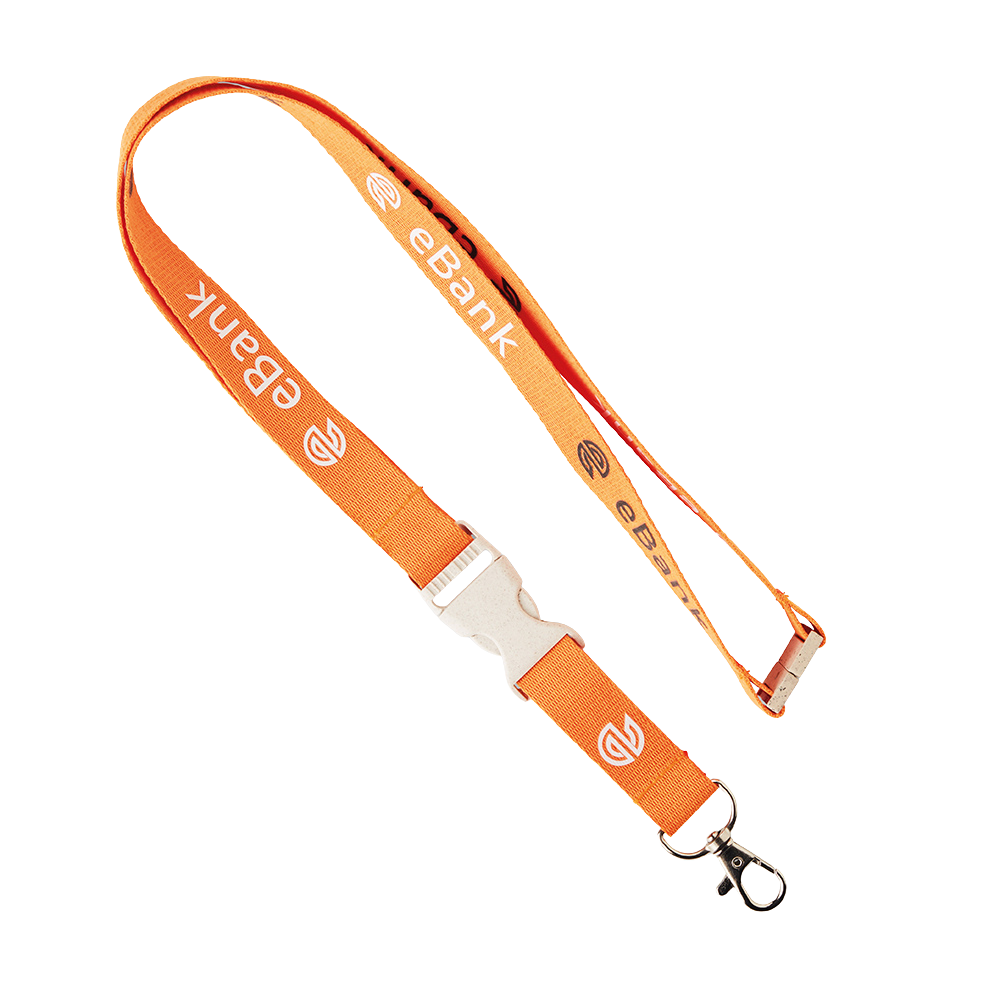
Smycz z tektury z plastikowym haczykiem i plastikowym elementem odłączającym nie jest produktem bezplastikowym i jest to pierwsza rzecz, na którą zwróci uwagę każdy, kto przyjrzy się temu twierdzeniu. Należy określić, że ma ona metalowy lub drewniany haczyk oraz odłamanie słomy pszenicznej — wytworzony z produktu ubocznego pochodzenia rolniczego, równie wytrzymały w użytkowaniu jak plastik. Kosztuje niewiele i właśnie o to chodzi.
Jeśli chodzi raczej o wybór lepszego materiału niż o rezygnację z tworzyw sztucznych — bawełna, bambus, korek, filc — zobacz smycze z naturalnych materiałów. Jeśli chodzi o materiały pochodzące z recyklingu, których ceny są zbliżone do standardowych, Smycze rPET można to zrobić i jest to najłatwiejsza zmiana spośród tych trzech. Ta strona dotyczy sytuacji, w której odpowiedź musi brzmieć “żadna”.
Tak. Nasiona dzikich kwiatów są wplecione w papier; osoba nosząca smycz sadzi ją w ziemi, papier ulega rozkładowi, a nasiona kiełkują. Jest to jedyna smycz w tej serii, której koniec cyklu życia stanowi zaletę, a nie problem z utylizacją – i właśnie dlatego ludzie ją fotografują i publikują w sieci, zamiast wyrzucać do kosza.
PLA z kukurydzy jest w pełni — naśladuje wytrzymałość i fakturę poliestru i bez problemu wytrzymuje kilkudniową konferencję. Papier nadający się do prania jest odporny na rozdarcia i wilgoć. Karton jest zaprojektowany tak, aby wytrzymać typowe targi, ale nie jest to produkt wielosezonowy. Papier z nasionami jest celowo najmniej wytrzymały spośród tych czterech, ponieważ jest przeznaczony do zasadzenia, a nie do przechowywania.
Włókno wytworzone ze skrobi kukurydzianej zamiast z ropy naftowej. Powstała nić zachowuje się jak poliester — ma taką samą wytrzymałość, podobną fakturę i tak samo się na niej drukuje — ale jest pochodzenia roślinnego i ulega biodegradacji. To opcja bez kompromisów przedstawiona na tej stronie: nikt, kto ma z nią do czynienia, nie zauważy, że nie jest to zwykła smycz, dopóki mu tego nie powiesz.
Ponieważ jest to wzmocniony papier z recyklingu, a nie tkanina, nie ma etapu tkania. Kosztuje około 0,26 EUR i jest to najtańsza smycz w naszej ofercie, a jej wygląd przypominający papier pakowy jest nie do pomylenia z niczym innym – właśnie dlatego wybierają ją organizatorzy wydarzeń opartych na zasadzie zero waste. Jest to produkt przeznaczony na jedno wydarzenie; nie zamawiaj go dla pracowników, którzy będą go nosić przez cały rok.
Kompozyt z papieru typu Kraft, który jest elastyczny, odporny na rozdarcia i niewrażliwy na wilgoć — często sprzedawany jako wegańska skóra. Wygląda raczej nowocześnie niż rustykalnie, co sprawia, że jest to idealny wybór dla marek, które chcą postawić na zrównoważony rozwój, nie sprawiając przy tym wrażenia, jakby pochodziły z targów rękodzieła.
Muszą być, bo inaczej ta strona nie ma sensu. Należy określić, że zamiast standardowego plastikowego klipsa zastosowano metalowy lub drewniany haczyk oraz odłączaną zawieszkę ze słomy pszenicznej. To właśnie ten szczegół zwraca uwagę w przypadku deklaracji o braku plastiku, a jednocześnie jest to element, który najczęściej pozostawia się w standardowej wersji domyślnej.
Przy zamówieniu od 100 sztuk – około dwóch do trzech tygodni od zatwierdzenia projektu graficznego. Papier z nasionami jest zdecydowanie najdroższy spośród tych czterech rodzajów, ponieważ nasiona są w nim wplecione.
Z definicji: polester i nylon z nadrukiem, okrągły przewód, tkanina żakardowa, rurowy, satyna, neopren, silikon i PVC. Według tematu: materiały naturalne, bez plastiku i nadające się do zasadzenia, rPET z recyklingu. Według tego, co przewozi: szpule na identyfikatory i akcesoria, paski do butelek, paski do telefonów, kable do ładowania, otwieracze do butelek. Według wykończenia: efekt specjalny, odblaskowe i dobrze widoczne. Pełna oferta: Smycze.

Dzięki produkcjom realizowanym w UE jesteśmy w stanie dotrzymać nawet najkrótszych terminów realizacji wydarzeń.

Każdy produkt jest tworzony specjalnie po to, aby spełniać wyjątkowe potrzeby Twojego wydarzenia i wytyczne marki.

Dostępne są materiały zrównoważone, w tym opaski na rękę pochodzące z recyklingu i biodegradowalne.








Nasze projekty