


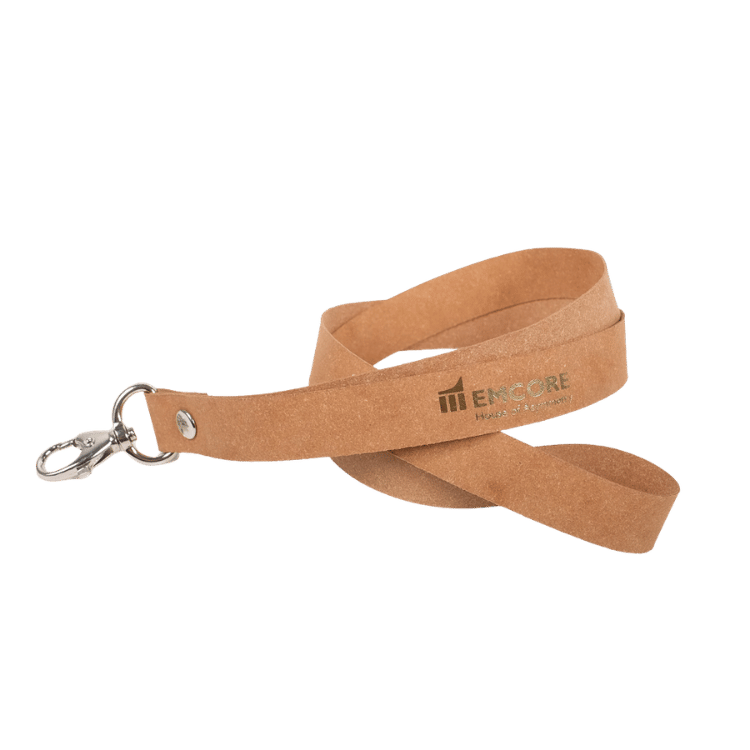
Każda organizacja, która kiedykolwiek wydrukowała oświadczenie dotyczące zrównoważonego rozwoju na poliestrowej smyczy, zna to uczucie. Są to przypadki, w których sam przedmiot jest zgodny z przekazem — i gdzie różnica jest widoczna z drugiego końca pomieszczenia, a nie tylko w karcie technicznej.
Sześć materiałów, które nie są zamienne: trzy to tkaniny, trzy to materiały wycinane z arkuszy, a każda z tych grup charakteryzuje się odmiennymi właściwościami, sposobem nadruku i ceną.
| Tworzywo | Jak to wygląda | Odpowiednie dla |
|---|---|---|
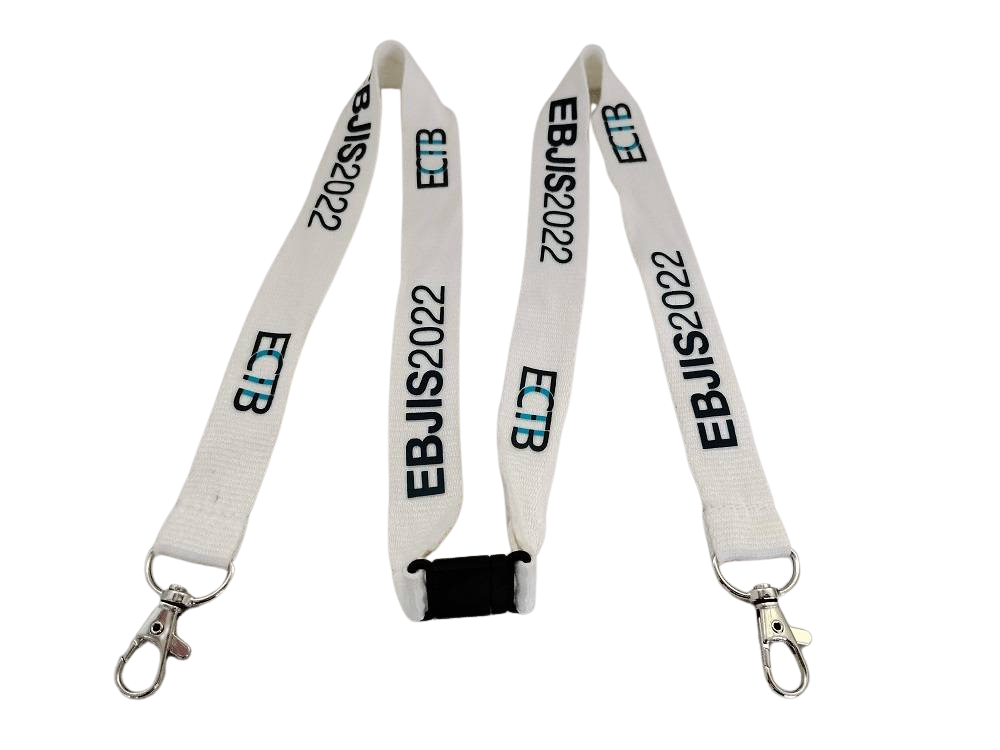
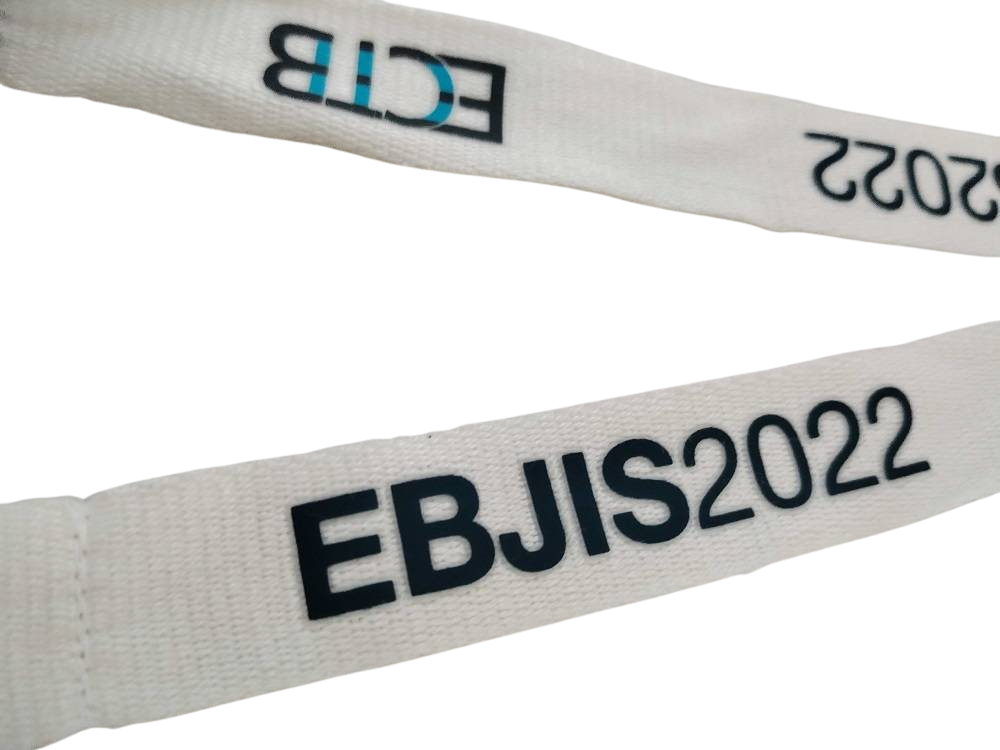
| Niebielona bawełna | Kremowy, złamany biały, matowy, o wyraźnej fakturze. Najbardziej naturalny spośród tych sześciu odcieni. | Gdy materiał musi przemówić sam za siebie, bez ani słowa wyjaśnienia. |
| Bawełna ekologiczna | Ta sama miękkość, a do tego certyfikowane źródło włókien. | Wydarzenia firmowe, w przypadku których należy udokumentować zgłoszone roszczenie. |
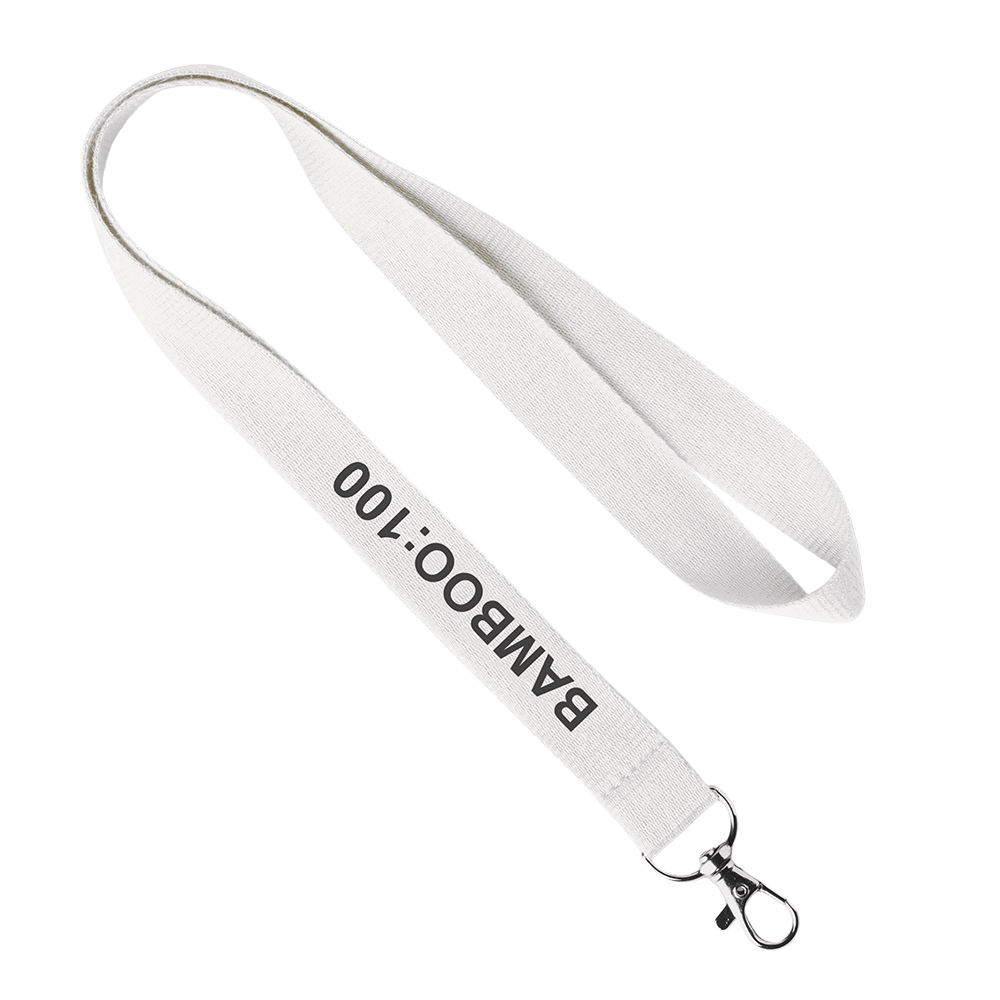
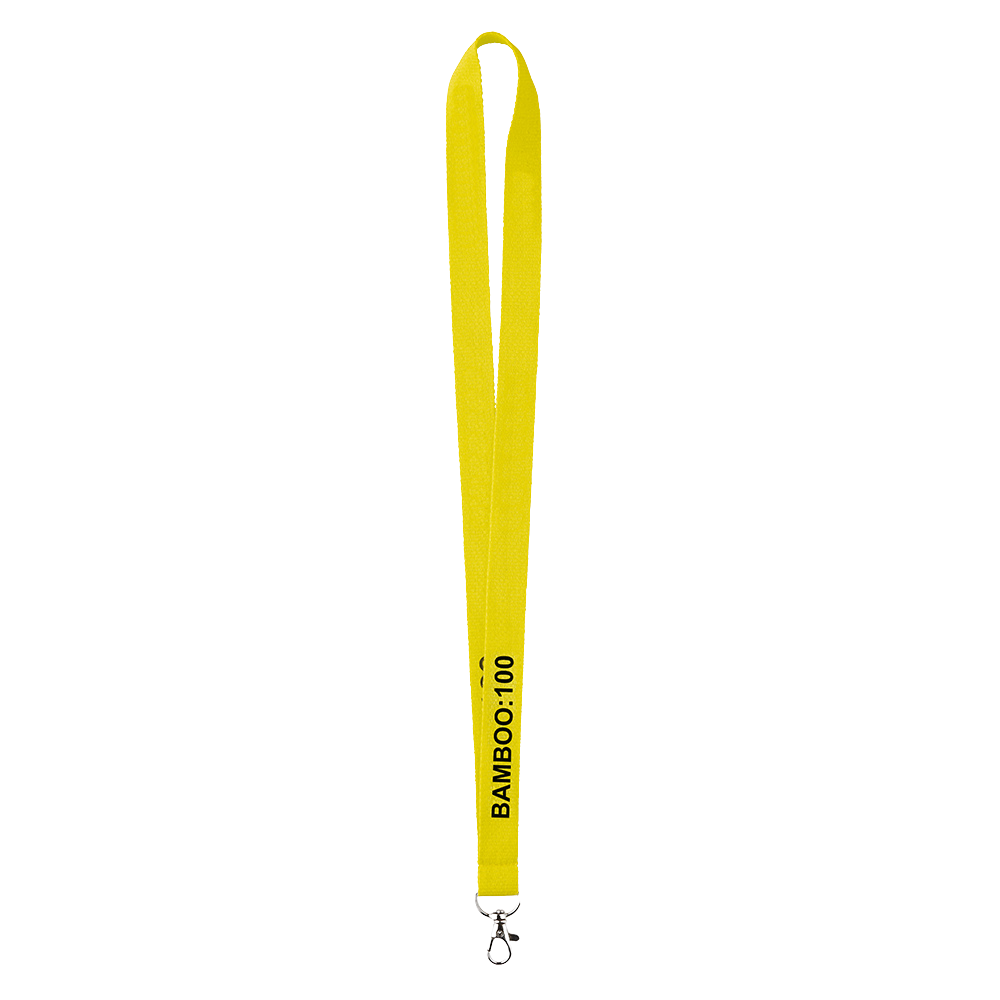
| Bambus | Naturalnie gładki, oddychający i antybakteryjny. Najwygodniejszy pasek w całej ofercie. | Na kilka dni. Pracownicy i uczestnicy, którzy nie będą jej zdejmować. |
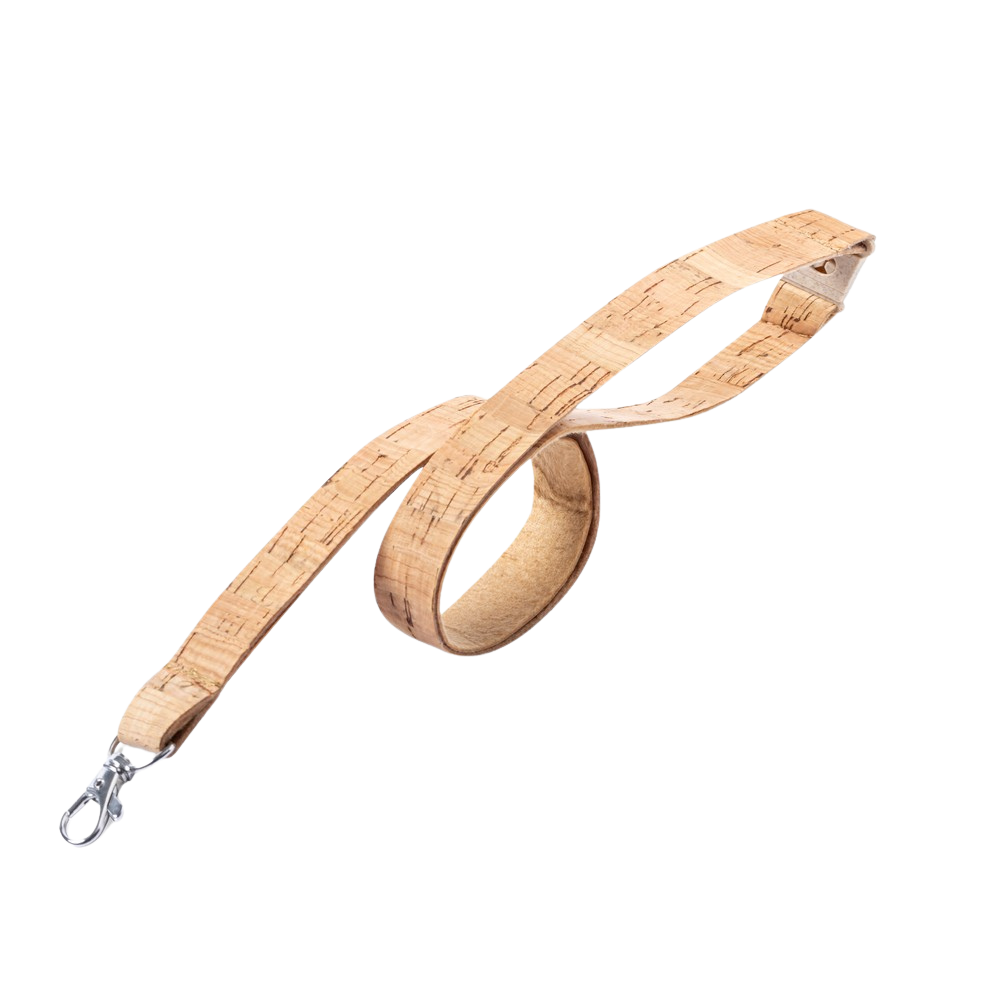
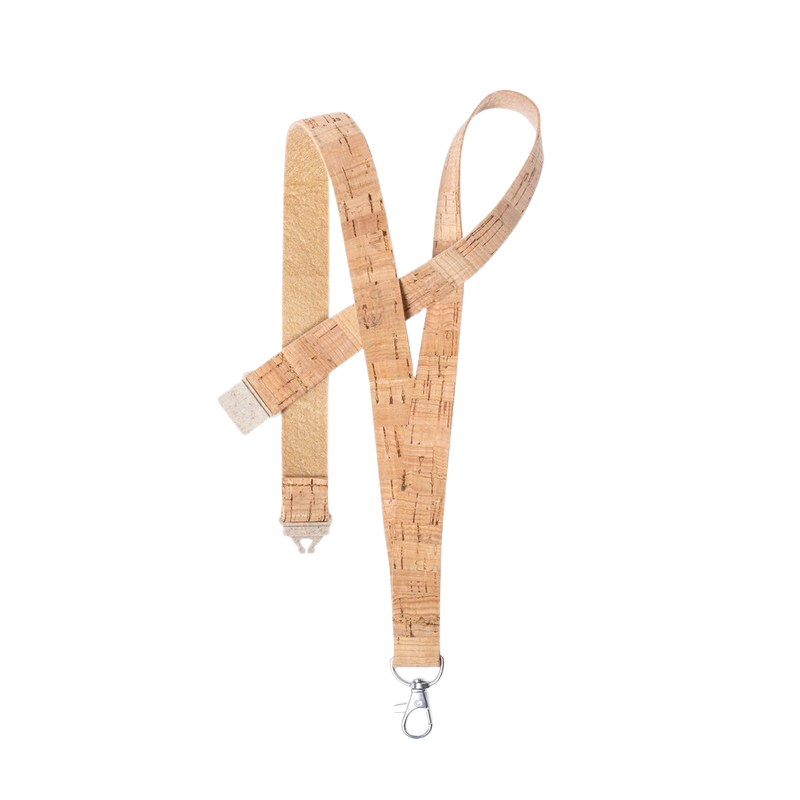
| Korek naturalny | Pozyskiwane z kory bez wycinki drzewa. Odporne na wodę, hipoalergiczne, łatwo rozpoznawalne. | Kiedy smycz powinna wyglądać raczej na designerską niż na praktyczną. |
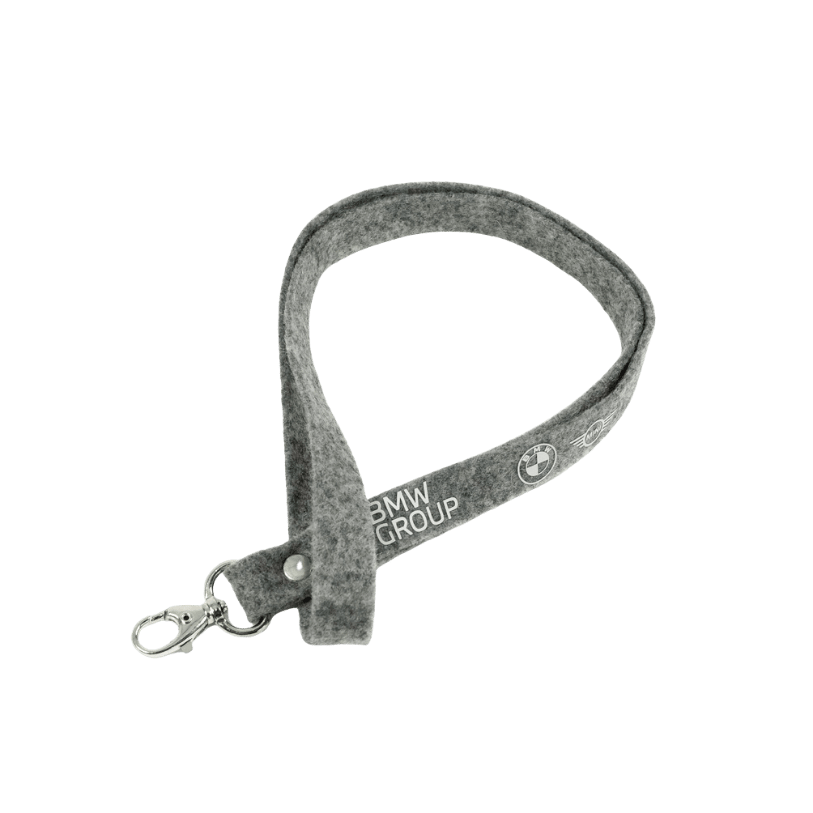
| Wełna lub filc rPET | Ma około 3 mm grubości, 20 mm szerokości i sprawia wrażenie solidnego w dłoni. W stylu skandynawskim. | Konferencje i marki stawiające na design. Filc rPET to tańsza wersja wykonana z materiałów pochodzących z recyklingu. |
| Skóra z recyklingu | Gładki, wytrzymały, z upływem czasu nabiera charakteru, a nie ulega zużyciu. W klasie executive. | Zarządy, kadra kierownicza, długoterminowe identyfikatory zamiast przepustek na konkretne wydarzenia. |
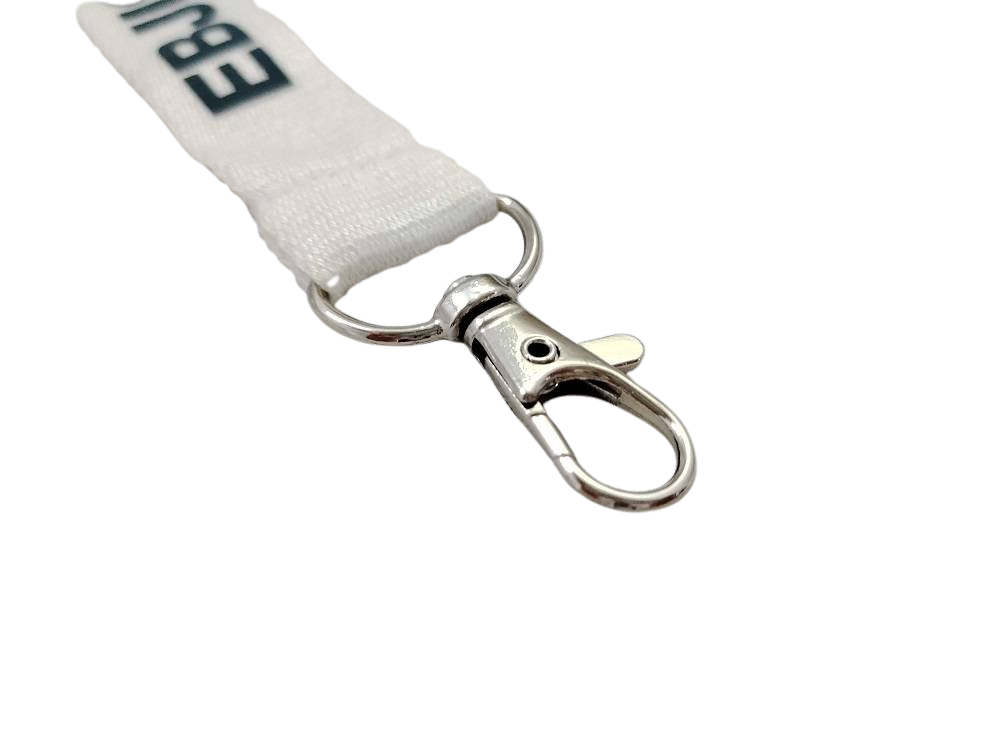
Pasek to ta łatwiejsza część. Bawełniana linka zakończona niklowanym haczykiem, plastikowym suwakiem i poliestrowym karabińczykiem w większości przypadków nie spełnia swoich obietnic — a to właśnie na te elementy mocujące, a nie na samą wstążkę, ktoś zwróci uwagę.
Poproś o kompletny zestaw: zwykły metalowy lub drewniany haczyk, bez plastikowej regulacji oraz z zabezpieczeniem z słomy pszenicznej lub metalowym zamiast standardowego plastikowego. Kosztuje to nieco więcej za sztukę. To właśnie stanowi całą różnicę między naturalną smyczą a smyczą o naturalnym wyglądzie i sprawia, że twierdzenie to wytrzymuje dokładną analizę.
Bawełna i bambus dobrze nadają się do sitodruku, ale kolory prezentują się delikatniej na naturalnym, teksturowanym tle niż na gładkim białym poliestrze. Należy projektować z uwzględnieniem tej cechy, a nie wbrew niej: logo o silnym kontraście pięknie się wyróżnia na niebielonej bawełnie, natomiast jasne logo znika.
Korek i skóra z recyklingu lepiej jest je wytłoczyć lub wygrawerować laserowo niż nadrukować. Oznaczenie jest trwałe, nie leży na powierzchni i nie ulega ścieraniu, a oba materiały znacznie lepiej utrzymują wytłoczone oznaczenie niż nadruk.
Są to materiały naturalne, wybrane częściowo ze względu na ich wygląd i właściwości dotykowe. Jeśli faktycznym wymogiem jest, aby z imprezy nie wywioziono żadnych produktów pochodzenia ropopochodnego, zobacz smycze bez plastiku, które można zasadzić — włókno skrobiowe z kukurydzy, tektura, papier nadający się do prania oraz papier nasienny, który można zasadzić. A jeśli chodzi raczej o zawartość materiałów pochodzących z recyklingu niż o pochodzenie naturalne, rPET oferuje to po cenach zbliżonych do standardowych cen poliestru.
Niebielona bawełna, jeśli chcesz, by przekaz był jednoznaczny — kremowa, złamana biel, matowa, o widocznej fakturze w zestawieniu z błyszczącym paskiem z poliestru. Bambus, jeśli najważniejszy jest komfort: jest naturalnie gładki, oddychający i ma właściwości antybakteryjne, dzięki czemu ludzie noszą go przez cały dzień. Korek, jeśli smycz ma wyglądać na designerską, a nie po prostu praktyczną. Filc i skóra z recyklingu, jeśli odbiorcami są kadra kierownicza, a smycz musi wyglądać na kosztowną.
To możliwe, a właśnie tę część większość dostawców pomija. Bawełniany pasek zakończony niklowanym haczykiem, plastikowym suwakiem i poliestrowym karabińczykiem zabezpieczającym zazwyczaj nie jest tym, za co się podaje. Poproś o kompletny zestaw: zwykły metalowy lub drewniany karabińczyk, bez plastikowego suwaka oraz z zatrzaskiem z słomy pszenicznej lub metalowym. Kosztuje to nieco więcej, ale stanowi różnicę między prawdziwą smyczą naturalną a tylko wyglądającą na naturalną.
Tak, i to w większym stopniu niż poliester. Zarówno bawełna, jak i bambus są materiałami przepuszczającymi powietrze, czego nie można powiedzieć o poliestrze, więc nie są to rzeczy, które ludzie zdejmują w porze lunchu. Ma to większe znaczenie, niż mogłoby się wydawać: smycz w kieszeni nie pozwala zidentyfikować nikogo i nie ma na niej żadnego logo.
Bawełna i bambus dobrze nadają się do sitodruku, choć kolory wypadają nieco delikatniej na teksturowanym, naturalnym tle niż na gładkim białym poliestrze — jest to kwestia projektowa, a nie wada. Korek i skóra z recyklingu lepiej nadają się do wytłaczania lub grawerowania laserowego niż do nadruku: znak jest trwały, a materiał lepiej go utrzymuje niż atrament.
To coś więcej niż się wydaje. Korek pozyskuje się z kory dębu korkowego bez wycinania drzewa, a sam materiał jest z natury wodoodporny, hipoalergiczny i wytrzymały. Bez problemu wytrzymuje wielodniowe wydarzenia, a z upływem czasu nabiera charakteru, zamiast wyglądać na zużyty.
Filc wełniany to wersja naturalna o bogatszej fakturze; filc rPET jest wytwarzany z tworzywa sztucznego pochodzącego z recyklingu i zapewnia ten sam wygląd w niższej cenie, a w jego opisie podkreśla się zawartość materiałów pochodzących z recyklingu zamiast włókien naturalnych. Oba rodzaje mają grubość około 3 mm, co nadaje sznurkom z filcu solidny charakter w stylu skandynawskim.
Przy zamówieniu od 100 sztuk – około dwóch do trzech tygodni od zatwierdzenia projektu graficznego. Paski z korka, filcu i skóry z recyklingu są wyraźnie droższe od pasków bawełnianych i bambusowych, ponieważ są one wycinane, a nie tkane.
Z definicji: polester i nylon z nadrukiem, okrągły przewód, tkanina żakardowa, rurowy, satyna, neopren, silikon i PVC. Według tematu: materiały naturalne, bez plastiku i nadające się do zasadzenia, rPET z recyklingu. Według tego, co przewozi: szpule na identyfikatory i akcesoria, paski do butelek, paski do telefonów, kable do ładowania, otwieracze do butelek. Według wykończenia: efekt specjalny, odblaskowe i dobrze widoczne. Pełna oferta: Smycze.

Dzięki produkcjom realizowanym w UE jesteśmy w stanie dotrzymać nawet najkrótszych terminów realizacji wydarzeń.

Każdy produkt jest tworzony specjalnie po to, aby spełniać wyjątkowe potrzeby Twojego wydarzenia i wytyczne marki.

Dostępne są materiały zrównoważone, w tym opaski na rękę pochodzące z recyklingu i biodegradowalne.








Nasze projekty