
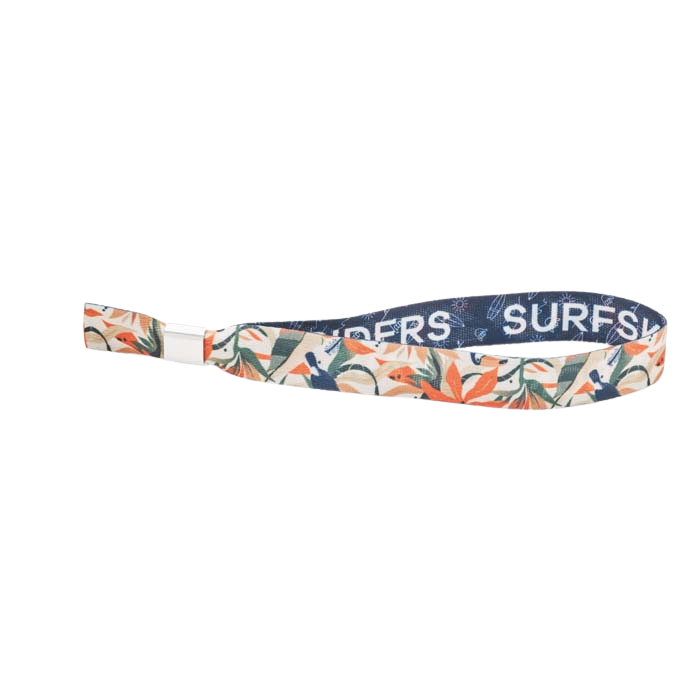
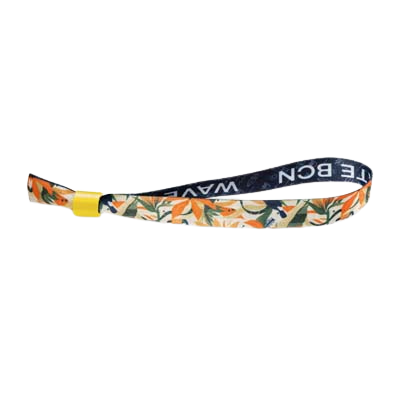
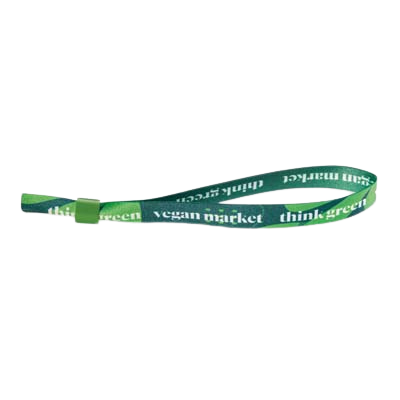
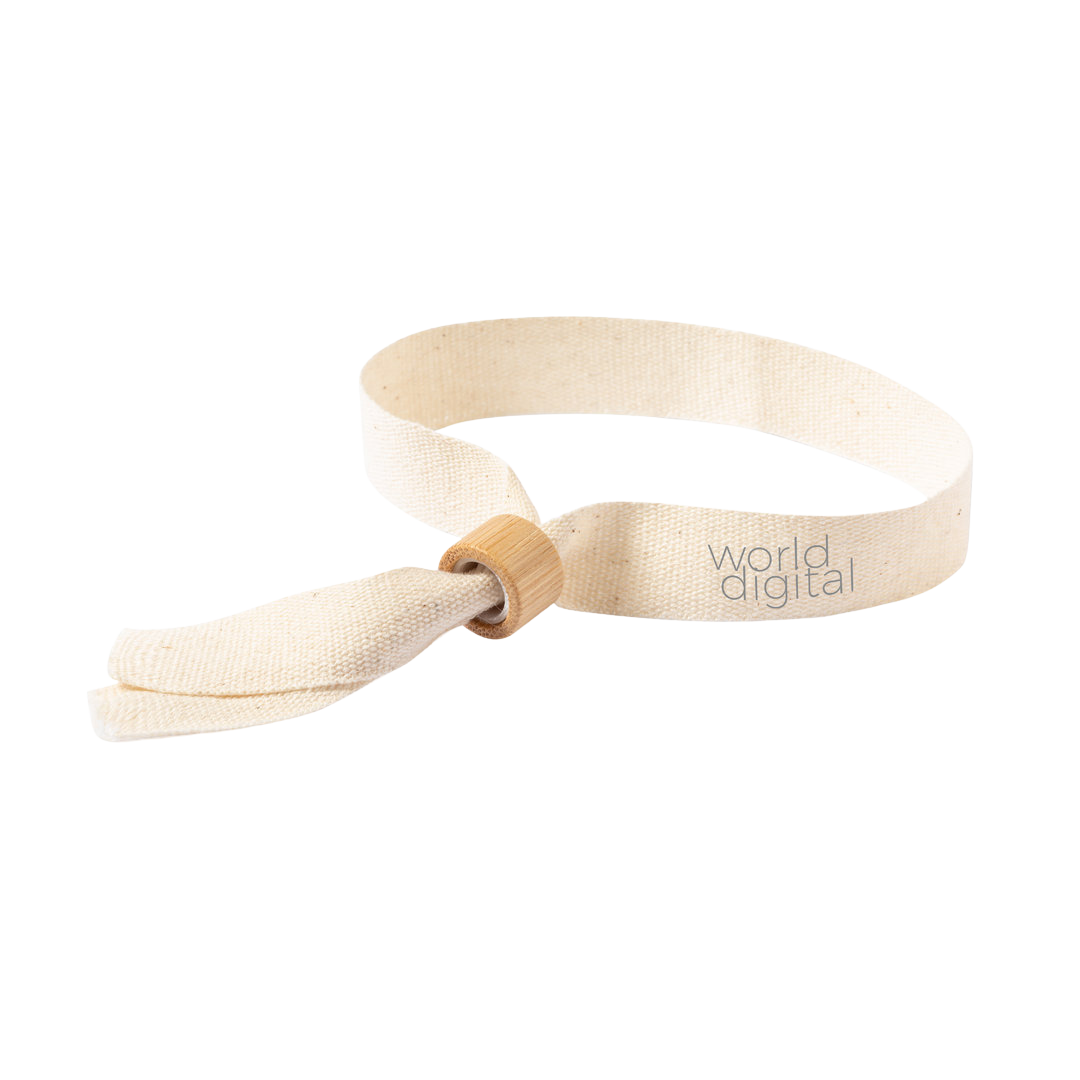
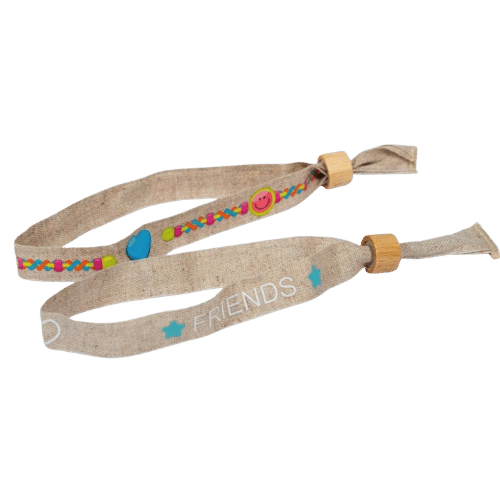
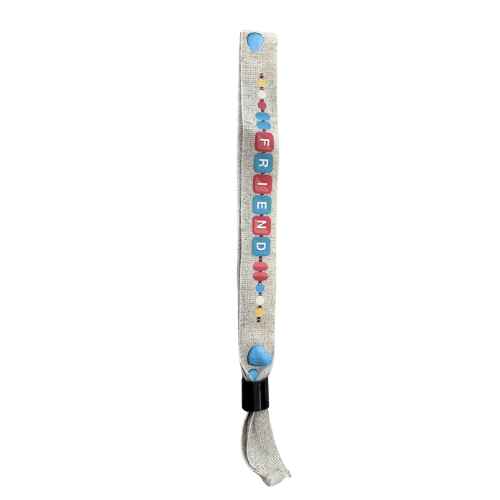
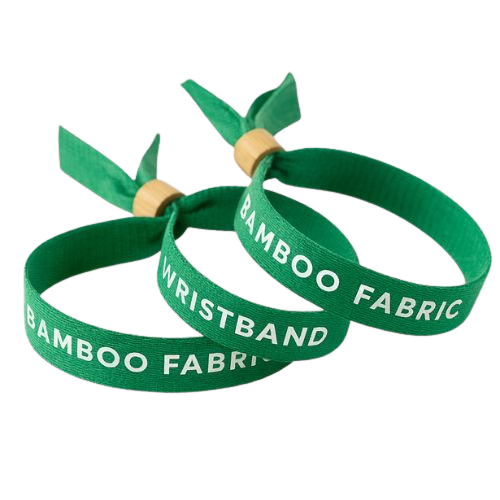
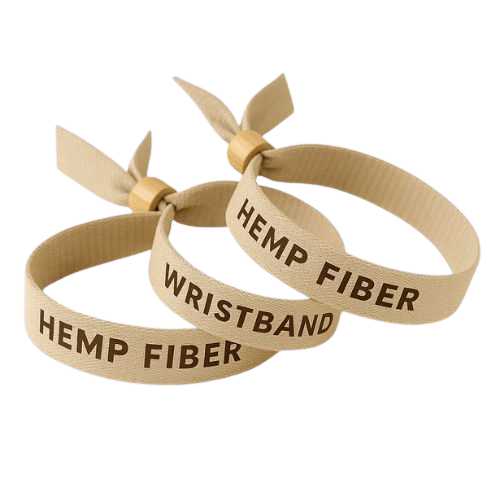
Ekoloģiskās aproces atbild uz diviem dažādiem jautājumiem, un to sajaukšana ir iemesls, kāpēc apgalvojumi par ilgtspējību tiek apstrīdēti. Pārstrādāts rPET atbilde ir “izmantot mazāk jauna materiāla” — tas joprojām ir poliesters, kas izgatavots no lietotām pudelēm, un, lai gan tā cena ir nedaudz augstāka, tas ir apdrukājams un valkājams tieši tāpat kā standarta lente. Šī četras dabiskās šķiedras atbildiet uz citu jautājumu: pats priekšmets nedrīkst būt no plastmasas, un tam jābūt redzami atšķirīgam.
| Šķiedra | Kā tas ir | No |
|---|---|---|
| Pārstrādāts rPET | Lietošanā neatšķiras no standarta poliestera. Dzija ir vērpta no sertificētām lietotajām plastmasas pudelēm. | 0,59 eiro |
| Organiskā kokvilna | Matēts, rustikāls, elpojošs un hipoalerģisks. No šiem pieciem visvairāk acīmredzami dabīgs. | 0,89 eiro |
| Lina | Nedaudz neregulārs pinums, uz ādas jūtams kā vēsums, ar izteiktu raksturu. Lins ir viena no senākajām un vismazāk apkopjāmām kultūrām. | 0,99 eiro |
| Bambuss | Zīdains, mitrumu novadošs un ar dabiskām antibakteriālām īpašībām. Ērtākā galvas lente, ko šeit var valkāt veselu nedēļu karstā laikā. | 1,19 eiro |
| Kaņepes | Strukturēta, smalkgraudaina un spēcīgākā dabīgā šķiedra šajā klāstā. Izskatās kā roku darbs. | 1,39 eiro |
Cenu starpība starp lētāko un dārgāko variantu ir aptuveni divarpus reizes, kas, ņemot vērā pasūtījumu par desmit tūkstošiem vienību, ir drīzāk budžeta lēmums, nevis sīkums.
Visi pieci materiāli ir piemēroti sublimācijas apdrukai, taču krāsa uz dabīgā fona izskatās citādāk nekā uz gluda balta poliestera: tā izskatās maigāka un nedaudz siltāka. Tas ir dizaina aspekts, nevis defekts. Kontrastiem bagāts dizains izskatās lieliski uz kokvilnas un kaņepēm; gaišs logotips pazūd. Visā sortimentā ir pieejama auduma aušana ar līdz pat četrām krāsām, un uz rupjākajām šķiedrām krāsu izšķirtspēja saglabājas labāk.
Kokvilnas aproce, kas aizdarīta ar standarta plastmasas vienvirziena aizdari, nav aproce bez plastmasas, un tā ir pirmā detaļa, uz kuru norādīs ikviens, kas to pārbaudīs. A metāla presējums ir drošāks risinājums, izskatās labāk un saglabā teikuma viengabalainību. Tas izmaksā nedaudz dārgāk par katru joslu, un tieši tas ir atšķirība starp apgalvojumu, kas iztur kritisku pārbaudi, un tādu, kas to neiztur.
Par materiāliem, kas vispār nav audums, skatiet korķa aproces un no sēklu papīra izgatavotas aproces, kuras var iestādīt.
Sāksim ar cenu atšķirībām. rPET ir vislētākais un vieglāk aizvietojamais materiāls: tas izskatās un valkājas tieši tāpat kā standarta poliesters, taču ir izgatavots no pārstrādātām plastmasas pudelēm. Organiskā kokvilna ir mīksta, matēta un nepārprotami dabiska. Bambuss ir visērtākais no šiem pieciem materiāliem un piemīt dabiskas antibakteriālas īpašības, kas ir svarīgi, pavadot nedēļu karstā laikā. Lins ir visizteiktākais materiāls. Kaņepes ir visizturīgākais materiāls, kas piemērots āra aktivitātēm un piedzīvojumu pasākumiem.
Nē, un ir vērts būt precīzam, jo kāds noteikti to jautās. rPET ir pārstrādāts plastmasas materiāls — tas samazina atkritumu daudzumu, taču materiāls joprojām ir poliesters. Kokvilna, bambuss, lins un kaņepes ir augu šķiedras, kas bioloģiski sadalās. Ja apgalvojums ir “bez plastmasas”, tad atbilst tikai šīs četras dabīgās šķiedras; ja runa ir par “pārstrādātu saturu”, tad rPET ir materiāls, kuram ir sertificēta piegādes ķēde.
Jā, ar vienu nosacījumu. Kaņepājs un kokvilna bez grūtībām iztur nedēļu ilgu nepārtrauktu valkāšanu, ieskaitot saskari ar ūdeni. Lins un bambuss to arī spēj, lai gan bambuss valkājot ievērojami mīkstina, ko lielākā daļa cilvēku uztver kā komfortu, nevis bojājumu. Dabiskajām šķiedrām nolietojums ir redzamāks nekā poliesteram — tas ir godīgs kompromiss par to izskatu un sajūtu.
Visos piecos materiālos var izmantot sublimācijas druku, taču krāsas izskatās maigākas uz dabiskas faktūras fona nekā uz gluda balta poliestera. Ņemiet to vērā, veidojot dizainu: kontrastējošs logotips izskatās lieliski uz kokvilnas vai kaņepēm, bet gaišs logotips pazūd. Visos materiālos ir iespējams ieaust līdz pat četrām krāsām, un tās labāk turas uz rupjākām šķiedrām.
Ievērojamas atšķirības visā sortimentā: rPET cena sākas apmēram no 0,59 eiro, organiskajai kokvilnai — apmēram 0,89, linu audumam — apmēram 0,99, bambusa audumam — apmēram 1,19 un kaņepju audumam — apmēram 1,39. Tā ir līdz pat divarpus reizes lielāka cenu starpība, tāpēc, pasūtot desmit tūkstoš vienību festivālam, šķiedras izvēle ir reāls budžeta lēmums, nevis sīkums.
Tā ir iespējams. Kokvilnas lente ar standarta plastmasas vienvirziena aizdari nav bez plastmasas, un tas ir pirmais, ko pamanīs ikviens, kurš pārbaudīs šo apgalvojumu. Lūdziet drīzāk metāla savienojumu — tas ir drošāks, izskatās labāk un ļauj saglabāt apgalvojuma ticamību.
Sākot no 100 vienībām visām piecām šķiedrām, aptuveni divas līdz trīs nedēļas pēc maketa apstiprināšanas.
Audums: iespiests, austs, ekoloģiskās šķiedras un pārstrādātās, numurēti. Silikons: ar iegravējumu, reljefs, ar sietspiedi, platumi un krāsu efekti, ar metāla plāksni. Citi materiāli: Tyvek, vinils, PU āda, korķis, sēklu papīrs, ko var iestādīt. Ar elektroniku: RFID un NFC, Tālvadības LED aproces, RF un DMX. Pilnais sortiments: Aproces.

Mūsu ES bāzētā produkcija nozīmē, ka mēs ievērojam pat visstingrākos pasākumu termiņus.

Katrs produkts ir īpaši radīts, lai atbilstu jūsu unikālajām pasākuma vajadzībām un zīmola vadlīnijām.
Ir pieejami ilgtspējīgi materiāli, tostarp pārstrādātas un bioloģiski noārdāmas aproces.





Mūsu projekti