There is a category boundary here worth naming: an event wristband is designed to be cut off, and a cord bracelet is designed to be kept. They look adjacent in a catalogue and they are completely different purchases — one is access control priced in cents, the other is jewellery priced in euros, bought because somebody will still be wearing it next year.
Three constructions
Construction
What it is like
Right for
Braided cord
Handmade look, substantial in the hand, adjustable slide knot
Festivals, cultural events, brands with a craft story.
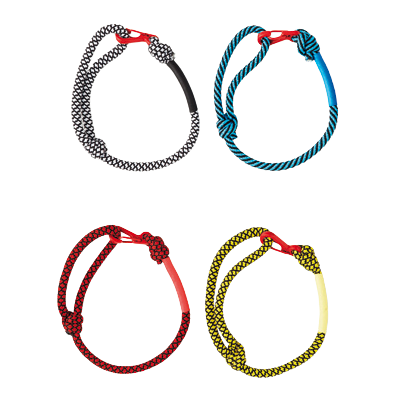
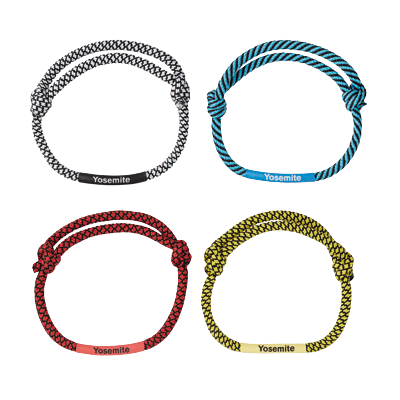
Round polyester cord
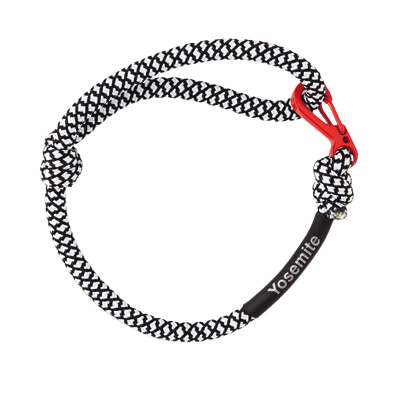
Cleaner and more uniform, with a moulded logo slider
Corporate campaigns and volume orders. The cheapest entry here.
Waxed cotton cord
Natural fibre, ages visibly, pairs well with metal beads
Sustainability-led brands and gift use.
Where the logo goes
Cord is too narrow to print, so the brand is always an attachment. A metal charm is the most jewellery-like and carries an engraved or enamelled logo. An engraved bead threaded onto the cord is subtler and cheaper. A moulded rubber slider is the toughest and suits a bold symbol. Which one you choose sets the tone more than the cord does.
No sizing at the door
An adjustable slide knot fits every wrist. That removes size sorting from distribution entirely — no small, medium and large boxes, no wrong sizes left at the end. It also lets the wearer loosen it, which is a large part of why these stay on when a fixed band would come off.
The charity version
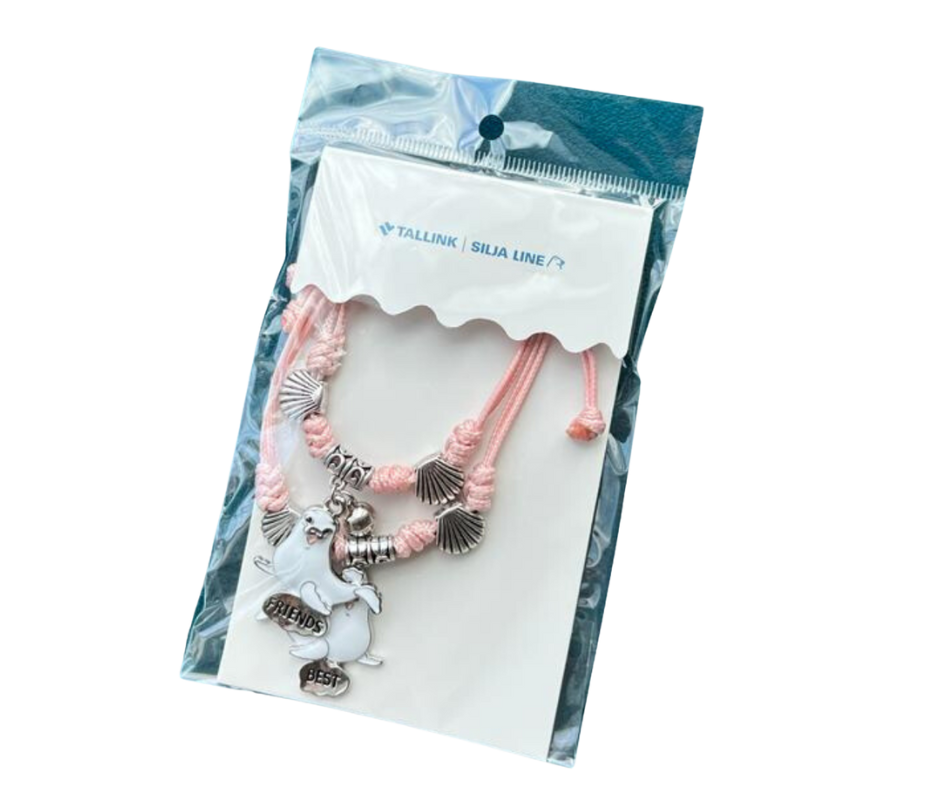
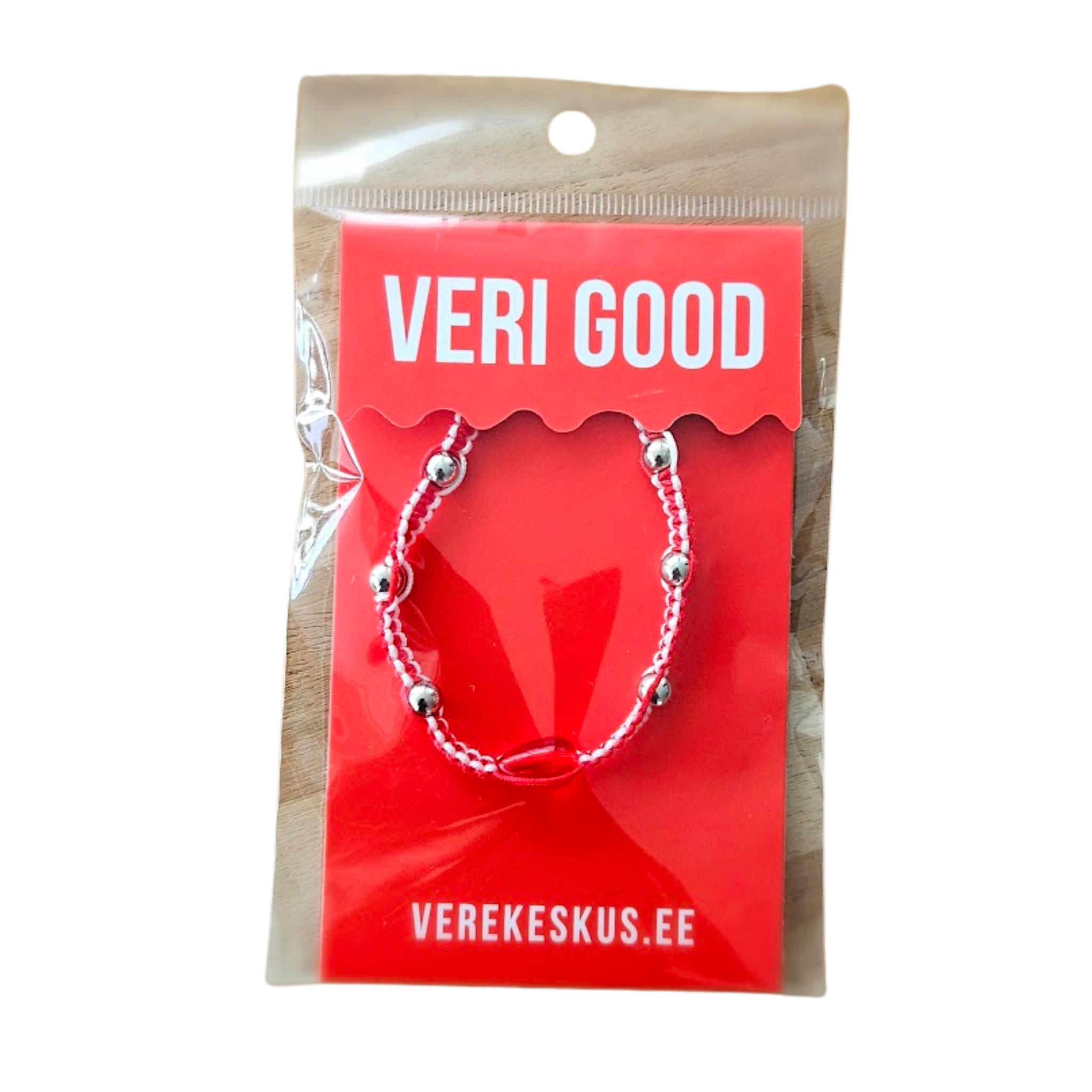
Supplied on a printed backing card, the bracelet becomes a fundraising item rather than a giveaway: the card carries the campaign message, the ask and usually a QR code, and the recipient keeps the bracelet. NGOs order it this way almost without exception, because the card does the explaining that a bracelet cannot.
Logo carrier: metal charm, engraved bead, or moulded rubber slider
Closure: adjustable slide knot, or fixed
Packaging: loose, or on a printed backing card
Minimum order: from 100 pieces
Lead time: about 3-4 weeks from approved artwork
Common questions
How is this different from a wristband?
Purpose. An event wristband identifies someone for a day and is designed to be cut off. A cord bracelet is an accessory: it has an adjustable closure so it can be taken off and put back on, it carries a metal charm rather than a printed logo, and it is bought because someone will keep wearing it. Different object, different price, different reason to order.
What carries the logo?
Three options. A metal charm is the most jewellery-like and takes an engraved or enamelled logo. An engraved bead threaded onto the cord is subtler and cheaper. A moulded rubber slider is the most robust and works best for a bold symbol. Printing directly on cord does not work at this width, which is why all three are attachments.
Do they need sizing?
No, and that is the practical argument for them. An adjustable slide knot fits any wrist, so there is no size sorting at distribution and nobody gets the wrong one. It also means the wearer can loosen it, which is why they stay on rather than coming off at the end of the day.
What is the charity version?
The same bracelet supplied on a printed backing card. The card carries the campaign message, the ask and often a QR code, which turns a giveaway into a fundraising item — the recipient keeps the bracelet and the card does the explaining. NGOs order it this way almost universally.
How long do they last?
Years, unlike a printed band. Braided cord and waxed cotton are made for continuous wear including water; the wear point is the closure knot rather than the cord. A metal charm outlives the cord entirely.
What is the minimum order?
From 100 pieces, about three to four weeks from approved artwork. A custom-shaped metal charm carries its own mould cost, so the gap between 100 and 1 000 pieces is wider on charm versions than on plain cord.